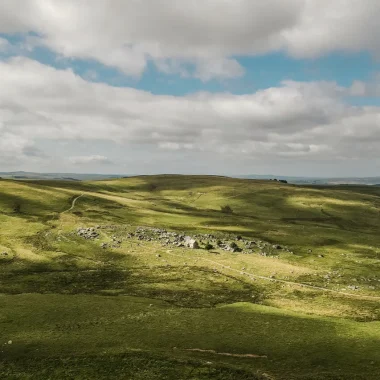
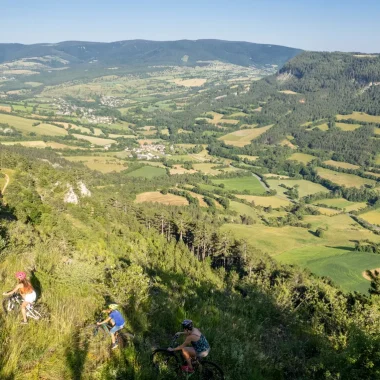
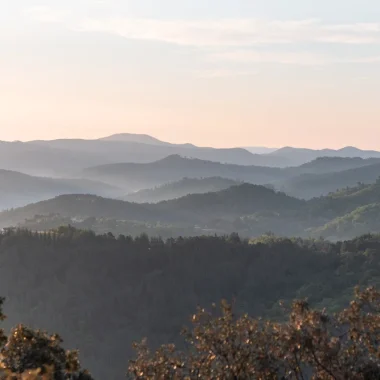
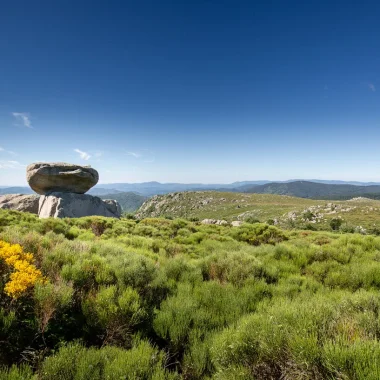
The Grands Causses welcome you with open arms: the Causse Méjean and its fascinating, vast expanse of yellow grass, the Causse de Sauveterre and its immense limestone plateau, and the Causse Noir with its caves, menhirs and dolmens. Set off to explore these vast, breathtaking plateaus in the Cévennes National Park…
Separated by the Gorges du Tarn and the Gorges de la Jonte, this group of high plateaus offers fascinating landscapes and breathtaking views. Whether you’re exploring, going for walks, sampling the local cuisine, spotting wildlife or taking part in sporting activities, do take the time to discover these plateaus and enjoy all they have to offer. You’re sure to have a holiday to remember.
Discover the Grands Causses in Lozère
History and Geology of the Causses
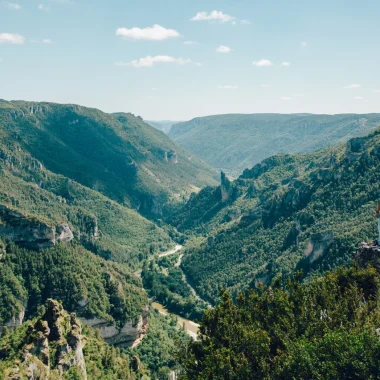
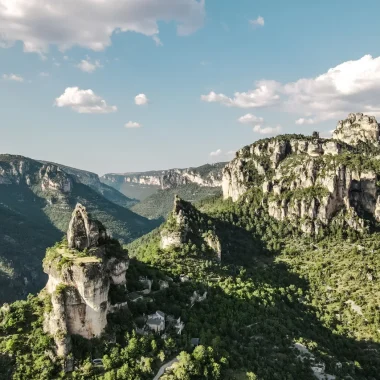
The Causses of Sauveterre, Méjean and Noir form part of the Grands Causses, situated in the southern part of the Massif Central. Separated by the Gorges du Tarn and the Gorges de la Jonte, this group of high plateaus offers fascinating landscapes and breathtaking views. Over the millennia, the River Tarn has carved a deep gorge between the Méjean and Sauveterre plateaus: a veritable canyon has been sculpted into the limestone massif of the Grands Causses. The River Jonte, meanwhile, separates the Méjean from the Causse Noir.
2 Causses in Lozère
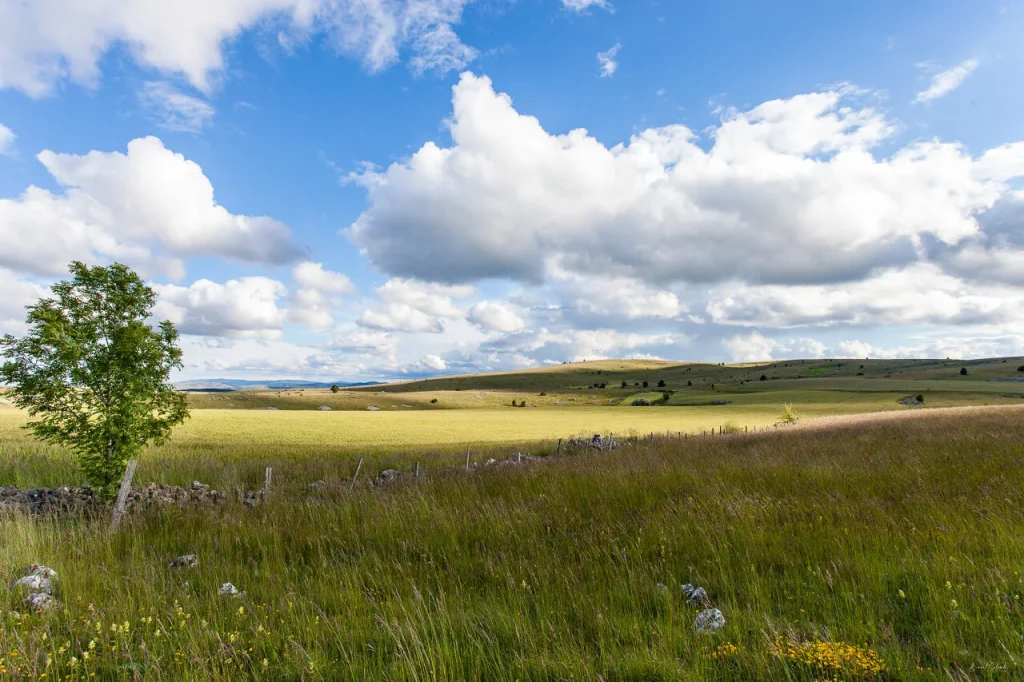
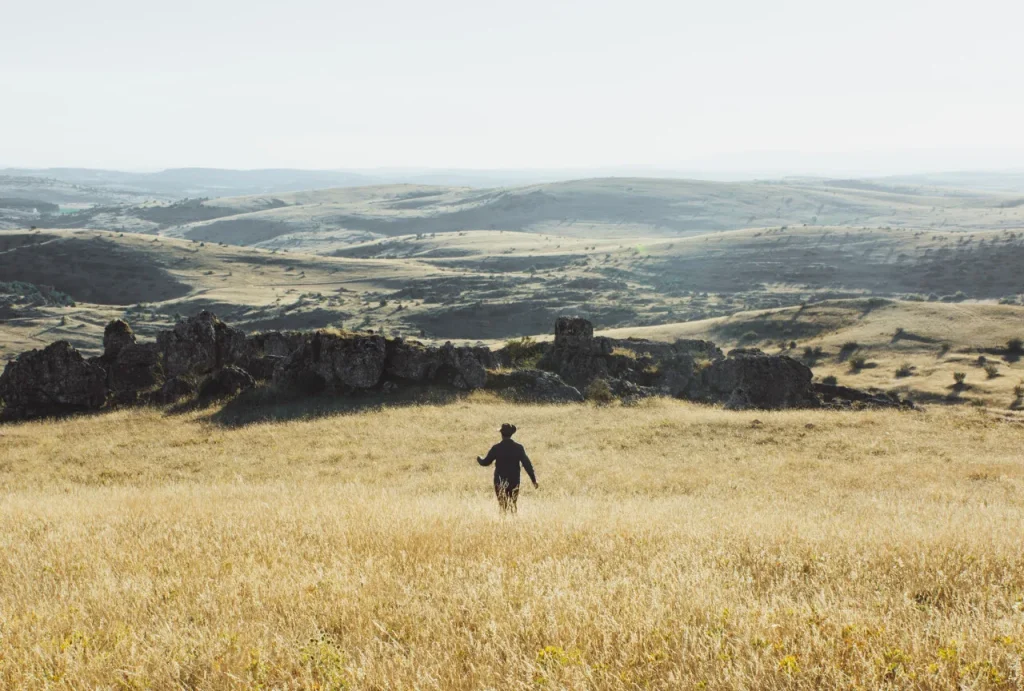
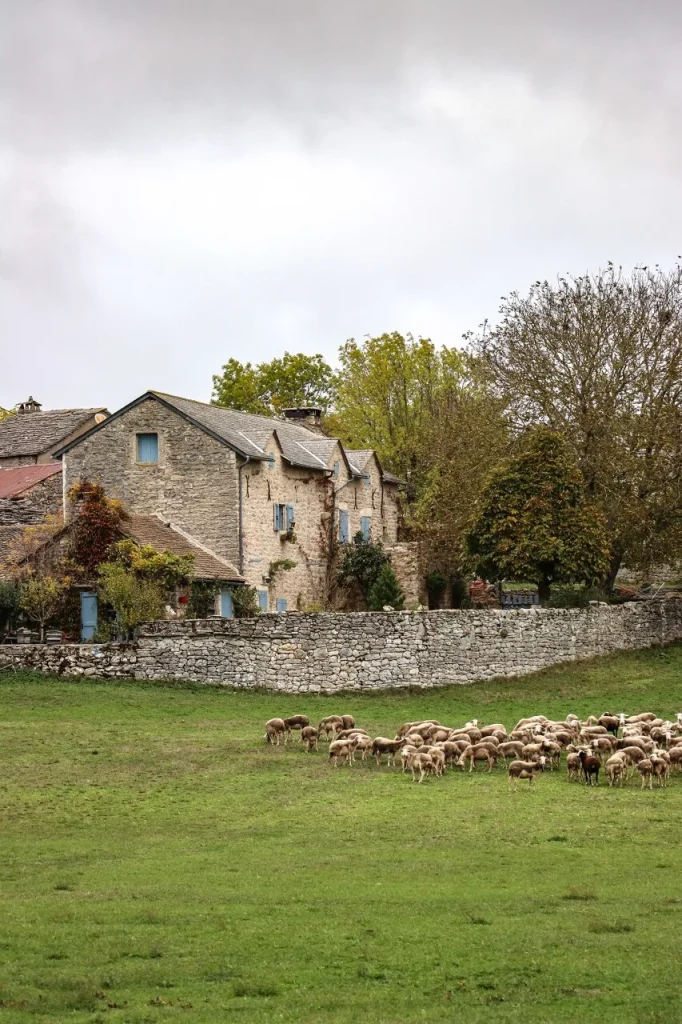
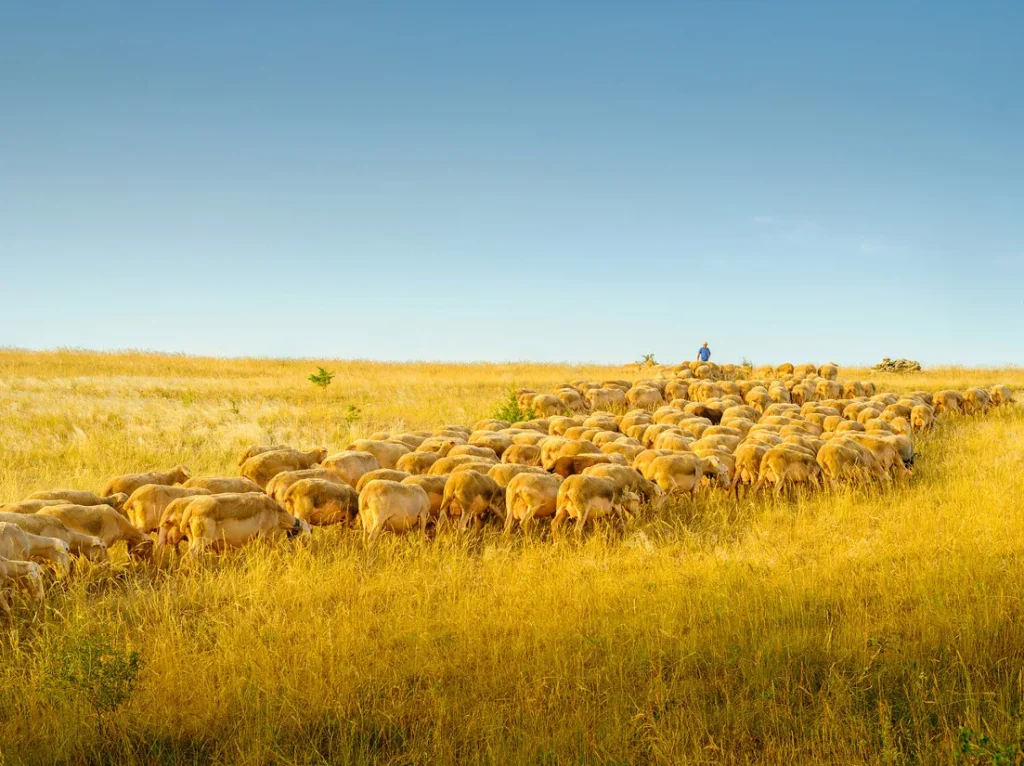
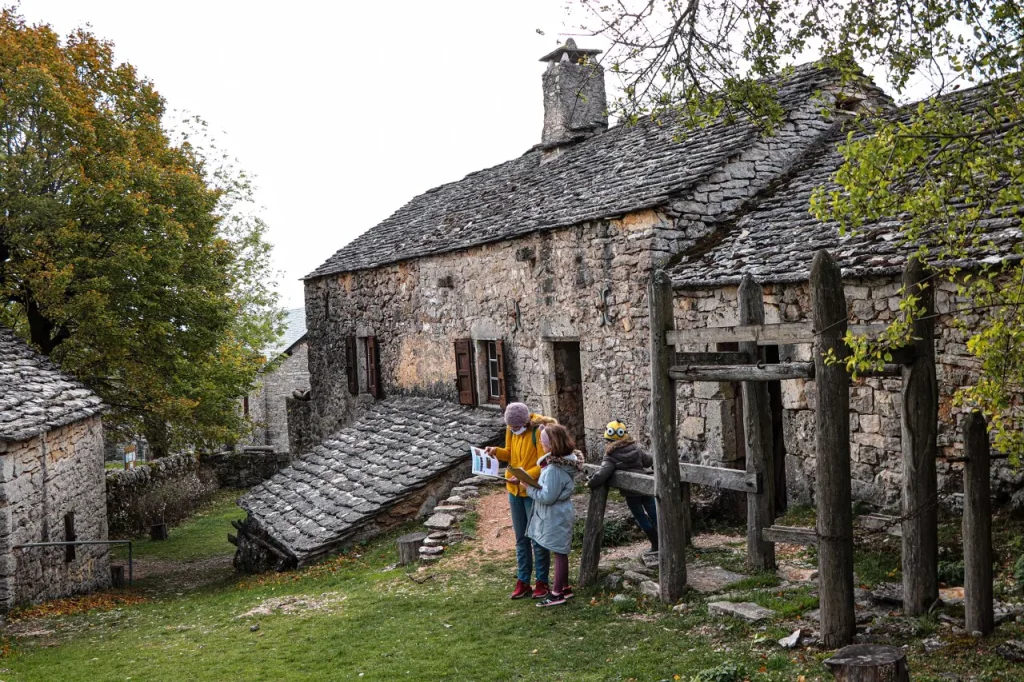
At an altitude of 1,000 metres, the Causse Méjean opens out into a vast steppe of yellow grass, as fascinating as any desert. Its landscapes, dotted with hamlets featuring their characteristic slate-roofed houses and shepherds’ huts, undulate endlessly. The Causse de Sauveterre is a less arid limestone plateau, with fairly rugged terrain in its south-western part.
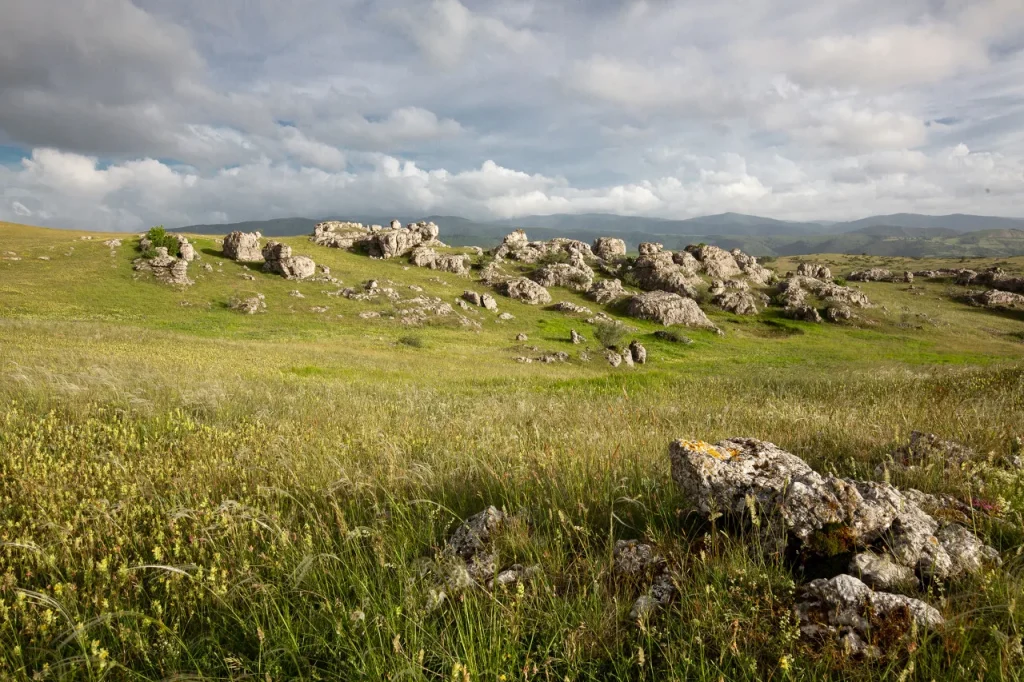
In the Grands Causses, these high limestone plateaus, the flora consists mainly of wild thyme – known locally as ‘mountain thyme’ – sainfoin, white clover, sweet clover, bird’s-foot trefoil and sage. This diversity and the subtle blend of such varied scents generally give the honeys of the Causses a beautiful amber colour. Depending on where it was harvested, each honey possesses a unique range of aromas, faithfully reflecting the variety or varieties from which the bees gathered nectar.
Focus on agropastoralism
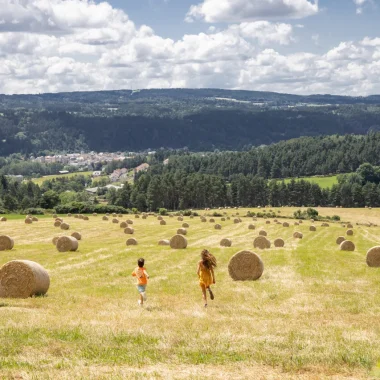
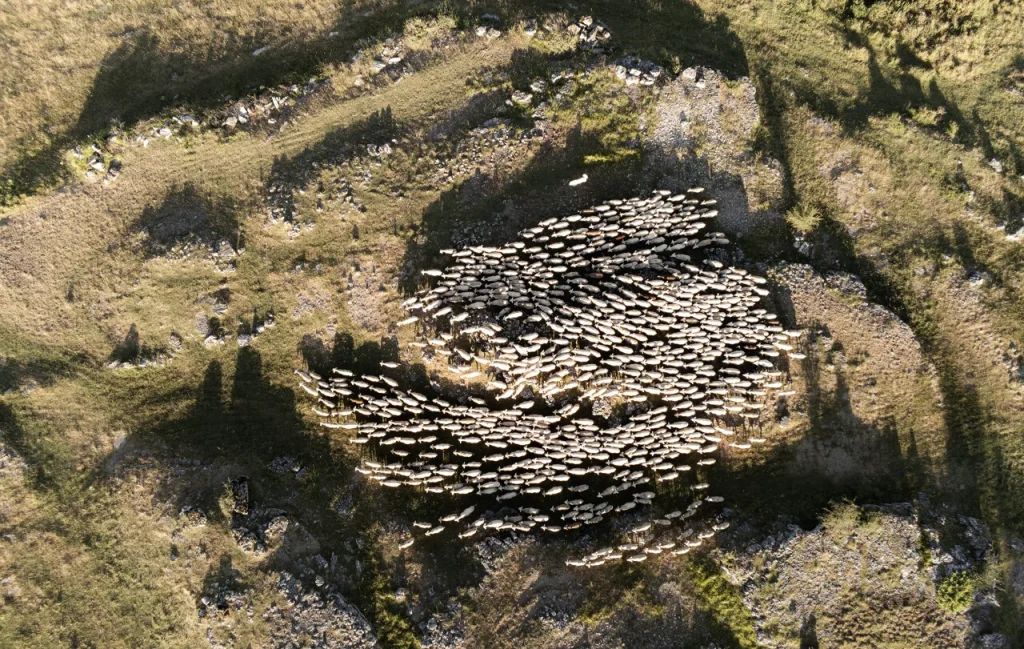
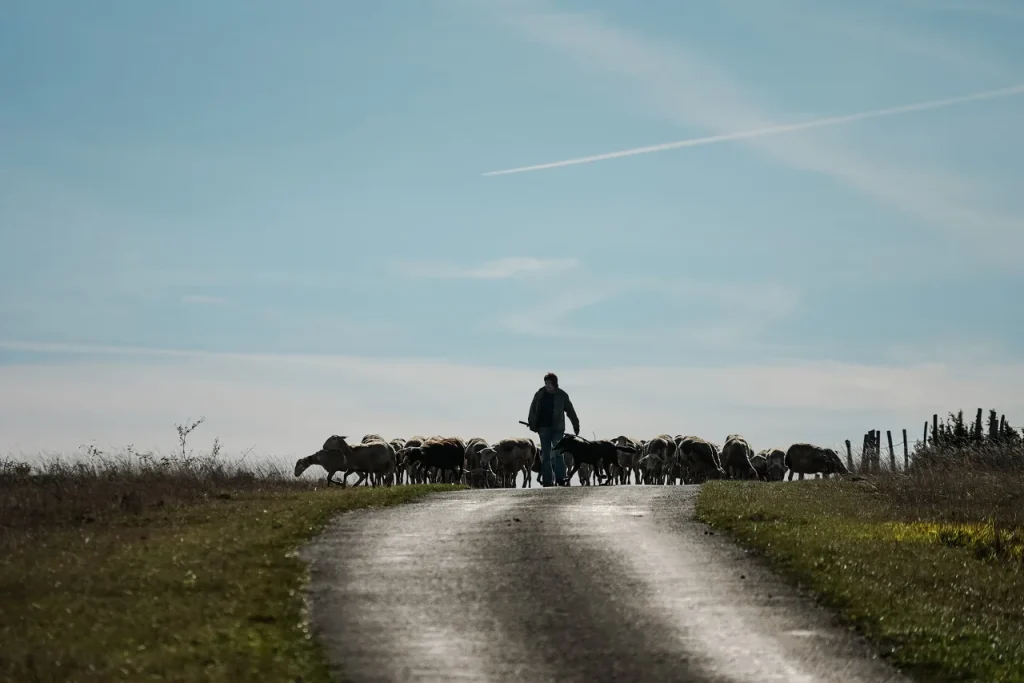
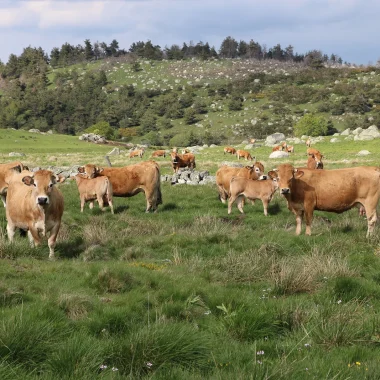
This is a sheep’s paradise! For indeed, the Grands Causses are also the realm of the sheep. There has always been a symbiotic relationship between the causses and the valley, between nature and the local people. Agropastoralism is proof of this: “the flocks graze on land – often difficult to mechanise – with varied vegetation: open grasslands, heathland or wooded pastures. These areas are characterised by their great heritage and environmental value, and by grazing, the flocks help to preserve habitats and species, and to maintain the landscapes and the local environment.”
2026 is the International Year of Pastoral Trails and Herders. The Causses and Cévennes Association is organising a number of events to mark this occasion. On the high plateaus, where the sheep once grazed, the cheese (Fédou, Lévejac and even Roquefort, depending on the milk collection area) and the free-range lamb have produced high-quality products. To gain a better understanding of the traditional way of life of the Causses people, you can visit the Causses Interpretation Centre at the Domaine des Boissets, or the Caussenarde d’Autrefois farm in Hyelzas.
What is there to do in the Grands Causses?
The Aven Armand
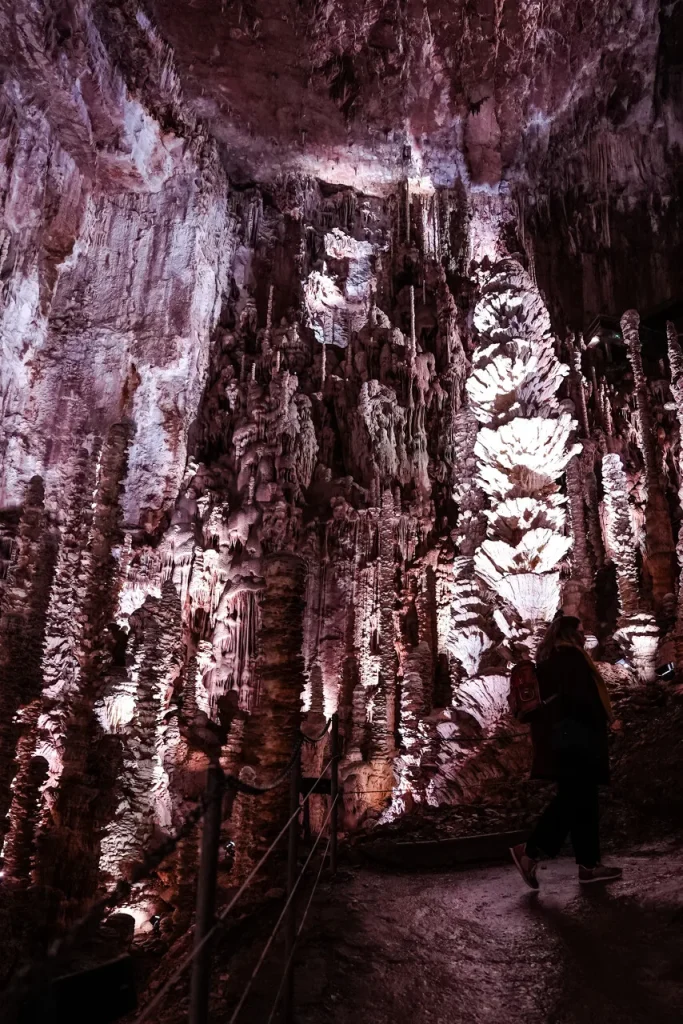
The Aven Armand is situated on the Causse Méjean. Here you can admire the world’s largest known stalagmite (30 metres), as well as the impressive ‘Great Hall’ (large enough to house Notre-Dame de Paris), after descending into the bowels of the Earth via a funicular railway. Discovered by Louis Armand and Edouard-Alfred Martel in 1897, you’ll be immersed in the magical world of this iconic cave. Offering shelter from the rain and a cool respite from the heat, this cave is sure to delight young and old alike.
The Moulin de la Borie
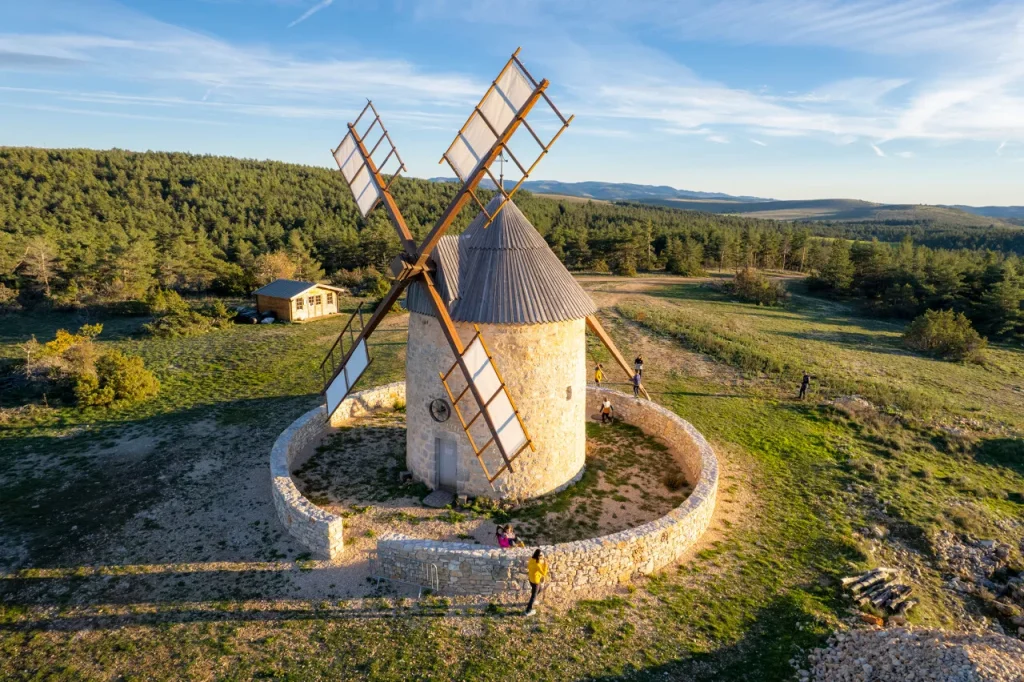
In the heart of the Causse Méjean, the Moulin de la Borie produces flour from wheat grown on its own land. Built in the 17th century, it was restored in 2017 and is now a place that reflects the character of the region: committed and dynamic. Come along on a tour to discover how flour is made, the miller’s expertise and his role within the cereal industry. And don’t forget to try some bread made with this flour: it’s delicious and can be found in many bakeries across Lozère that are members of the “Farine du Méjean” association.
With its unspoilt natural beauty, close-knit local community, delicious local produce and wonderful encounters, here are all the ingredients you need for a great time in Lozère. Enjoy exploring! "
Dargilan Cave
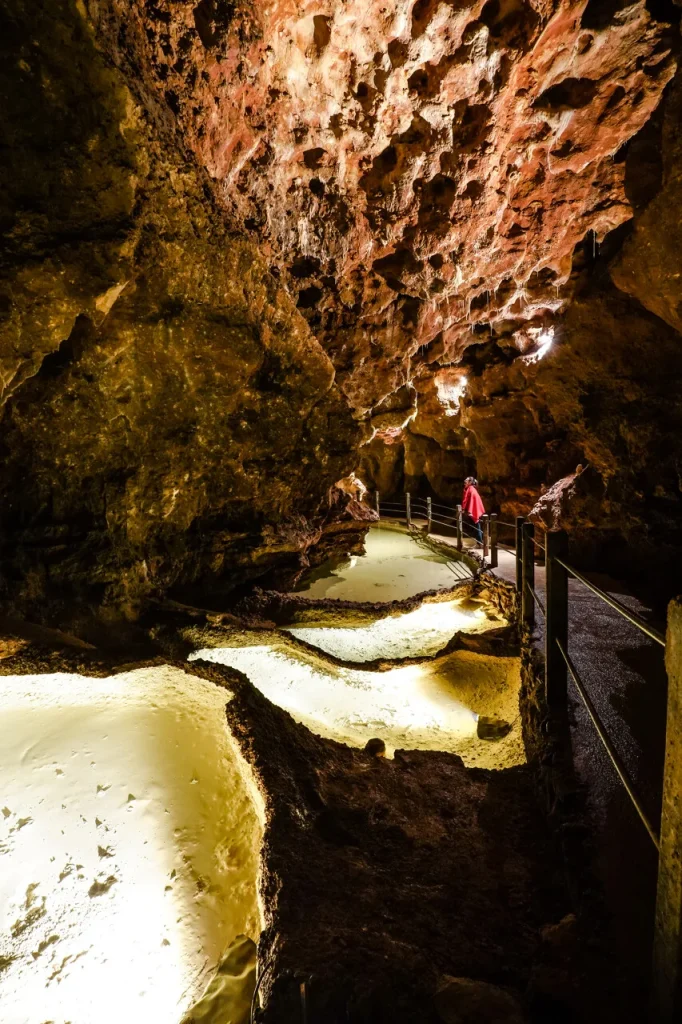
Like a character from a Jules Verne novel, set off on an extraordinary adventure into the depths of the Earth. With family or friends, come and discover the mysteries of this exceptional underground site. Known as the “Pink Cave”, the Dargilan cave is situated on the Causse Noir. It invites you to admire limestone formations in warm colours and enchanting shapes. Throughout its 1,200-metre-long passageway, you’ll be transported out of time into the heart of magnificent chambers. The signposted route offers safe access to all visitors. A dried-up river, columns, petrified waterfalls, drapery-like formations, stalactites and limestone ‘organs’ await your amazed gaze! A non-stop spectacle right up to the cave’s exit, which opens out onto the panoramic view of the Gorges de la Jonte.
The Old-Fashioned Caussenarde Farm
Immerse yourself in a world of passion and values through a tailored and engaging tour at the Ferme Caussenarde d’Autrefois. During your visit, you’ll step back in time to the days of yore and be immersed in the daily life on the farm, which preserves the memories of the local people. In just a few minutes, you’ll journey back through 400 years of rural life on the beautiful Causse Méjean plateau. Today, the work has changed considerably, and a young shepherdess from the Armand et Marie farm, accompanied by her 500 ewes, will explain how her work has evolved. At the end of the tour, your taste buds will be in for a treat as you discover a range of delicious cheeses made from the milk of the Causse herds at Le Fédou cheese dairy.
Must-see photo spots
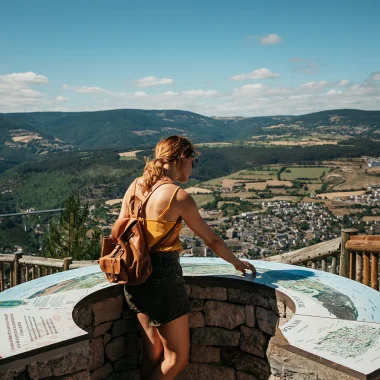
PANORAMA FROM THE SUBLIME POINT
Panoramas

Photo spot

Photo spot

Photo spot

Photo spot

Photo spot

Photo spot

Photo spot

Photo spot

Photo spot

Photo spot

Photo spot

Unique experiences
Make the most of your stay in the Grands Causses to set off on new adventures. Family outings and discoveries, wildlife, donkey treks, thrills – whatever the season, plan your stay by booking some unique experiences.
Stay in the Grands Causses
Accommodation
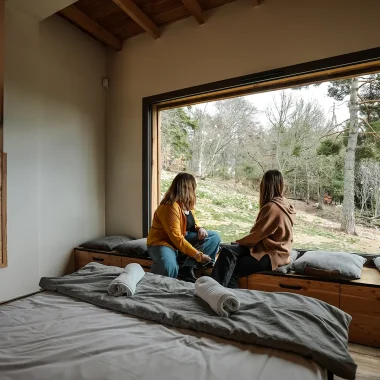
Fancy a change of scenery in accommodation in the heart of the Grands Causses? Give it a go and book your bed and breakfast, holiday cottage, self-catering accommodation, hotel room, stopover gîte, camping pitch or room in a holiday village.


Bed and breakfasts

Bed and breakfasts

Bed and breakfasts


Group / holiday gîtes

Group / holiday gîtes

Group / holiday gîtes

Group / holiday gîtes

Group / holiday gîtes


Graded campsite

2 stars Graded campsite

AIRE NATURELLE DE CAMPING LE BOUQUET
Graded campsite

Rental in village

LE CLOS DES CHENES – SINGLE-STOREY
Rental in village

How do I get there?
- By car from Mende, Sainte-Enimie, Florac, La Canourgue, Villefort, Langogne, Aumont-Aubrac and Saint-Chély-d’Apcher
- By car from Paris, Bordeaux, Toulouse, Montpellier, Lyon, Marseille and Nîmes
- By train, on the Train de l’Aubrac line
- By bus with liO
- By tourist shuttle: minibuses that criss-cross Lozère in every direction during July and August
- By plane, via the nearest airports: Rodez, Clermont-Ferrand, Nîmes, Montpellier, Marseille, Lyon, Toulouse
Frequently Asked Questions
What is a causse?
"A causse is a limestone plateau found in temperate regions, cut through by deep valleys – known as canyons – and featuring surface karst landforms (sinkholes, lapies)."
What are the main villages and towns in the Grands Causses?
On the Causse Méjean, around Hyelzas and Hures-la-Parade, there are many tourist attractions to visit. On the Causse de Sauveterre, St-Georges-de-Lévejac and Laval-du-Tarn are well worth a visit.
Which is the largest causse in France?
There are plenty of local specialities to try: aligot, Aubrac beef, charcuterie, drinks, Aubrac tea…