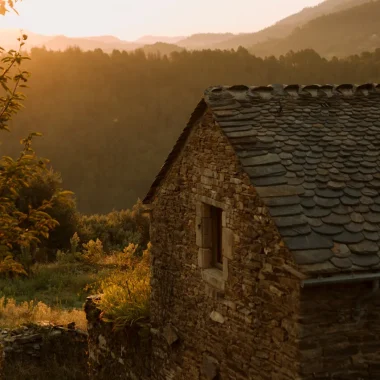
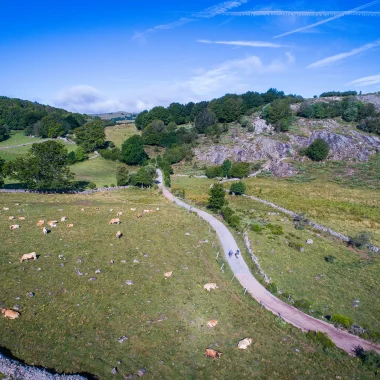
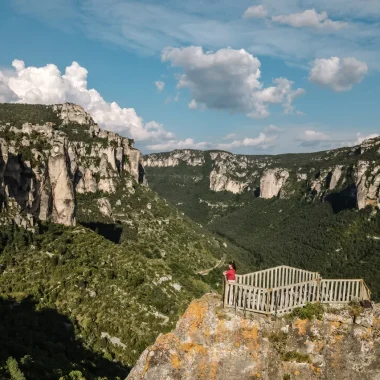
Being inscribed on UNESCO’s World Heritage List is an honour that must be upheld… collectively! This inscription in the category of evolving and living cultural landscapes brings with it international recognition of a region shaped by thousands of years of agro-pastoralism. Let’s set off to discover this global treasure.
The Causses and the Cévennes: unspoilt nature
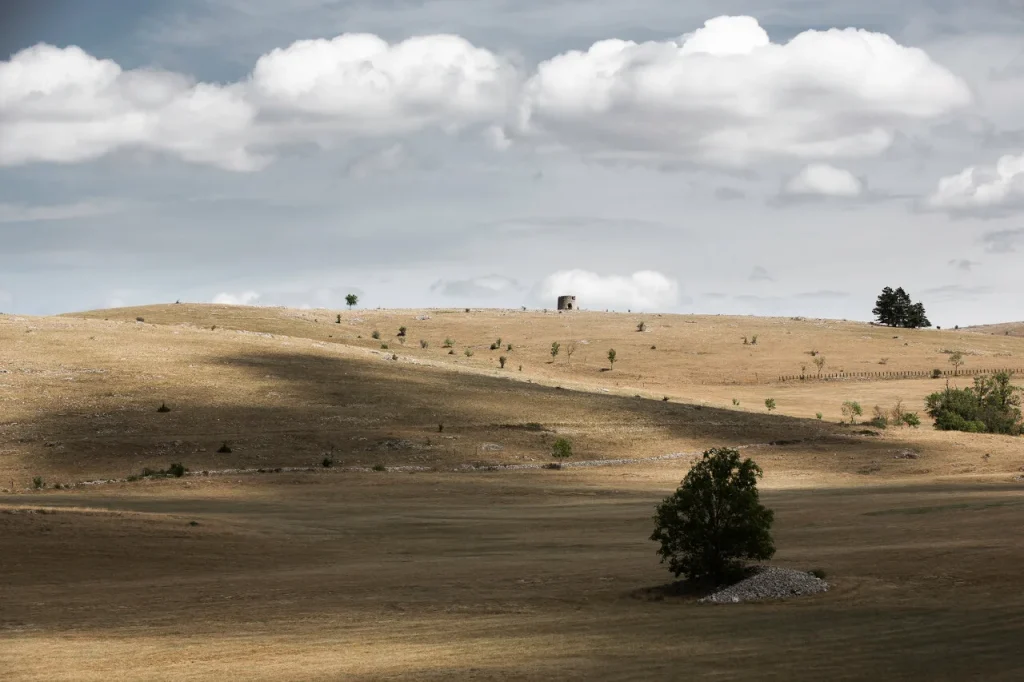
The outstanding universal value of the Causses and the Cévennes is illustrated by the way in which this landscape has been shaped by agro-pastoral activity. This activity encompasses virtually every type of pastoral organisation found around the Mediterranean. Today, agropastoral activity is reflected in vast open expanses, remarkable biodiversity and an ingenious architectural heritage. It is a world of rock, where schist, granite and limestone combine to form plateaus, gorges, mountains and valleys.
A vibrant conservatoire
Expertise
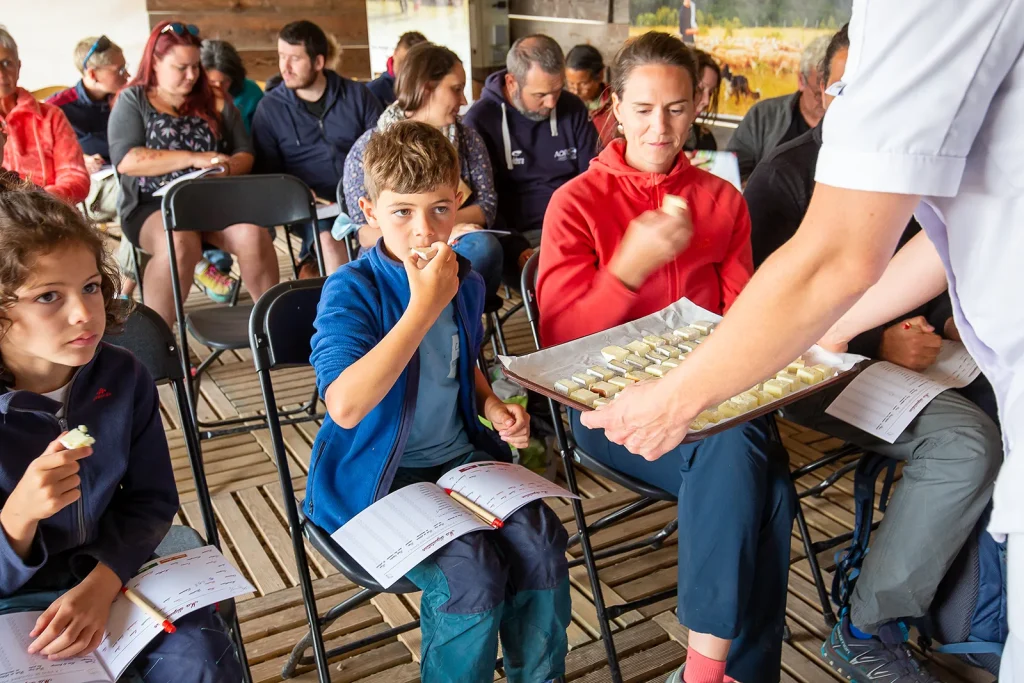
Meet the people of the Causse and Cévennes regions, experience their way of life, take part in local festivals and stroll through the bustling markets: there you’ll be able to sample local specialities that will delight your dining table… and your taste buds!
The growth of quality labels, particularly for cheese and meat, reflects a vibrant and contemporary agri-pastoral sector.
Hiking trails


International Dark Sky Reserve
Did you know that two out of three Europeans cannot see the stars because of light pollution? That’s not the case in the Cévennes, where the sky is clear. The proof? The Cévennes National Park is part of the very exclusive club of ‘International Dark Sky Reserves’. And psst, there’s even an asteroid named ‘Cévennes’!
Sparsely populated, the Causse Méjean has always been a paradise for astronomers. But this is even more true now that this guesthouse has installed an observation deck for stargazing!
How do I get to the Causses and the Cévennes?
- By car from Paris, Bordeaux, Toulouse, Montpellier, Lyon, Marseille and Nîmes
- By bus with liO
- By tourist shuttle: minibuses that criss-cross Lozère far and wide in July and August
- By plane, via the nearest airports: Rodez, Clermont-Ferrand, Nîmes, Montpellier, Marseille, Lyon, Toulouse
Frequently Asked Questions
What is World Heritage listing?
The inscription of the Causses and the Cévennes on the UNESCO World Heritage List on 28 June 2011 highlights this example of a living and evolving cultural landscape shaped by Mediterranean agropastoralism. Over the centuries, the area has been shaped by agropastoral activity, revealing vast open spaces, remarkable biodiversity and distinctive landscape and architectural features (lavognes, jasses, water-tank roofs, sinkholes, boussières, chazelles, terraces, drailles, etc.)
What is the Causses Cévennes departmental agreement?
Established on 11 April 2012 by the four departments concerned by the site (Aveyron, Gard, Hérault and Lozère), the Interdepartmental Association of the Causses and the Cévennes is responsible for this task, which involves implementing management guidelines.