Exploring the Cévennes
The Cévennes valleys
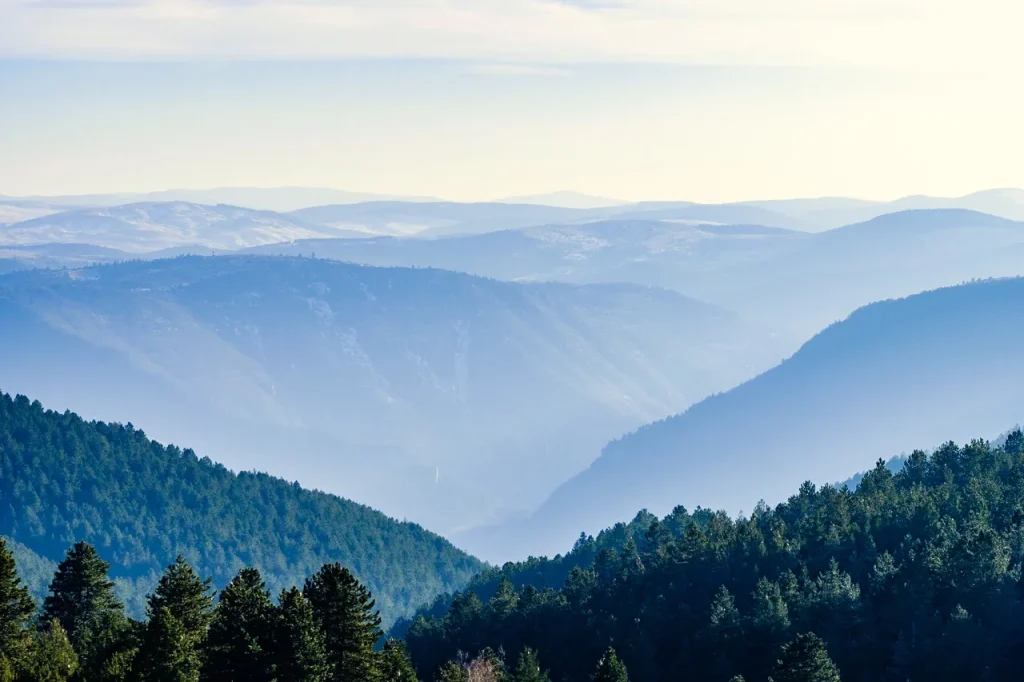
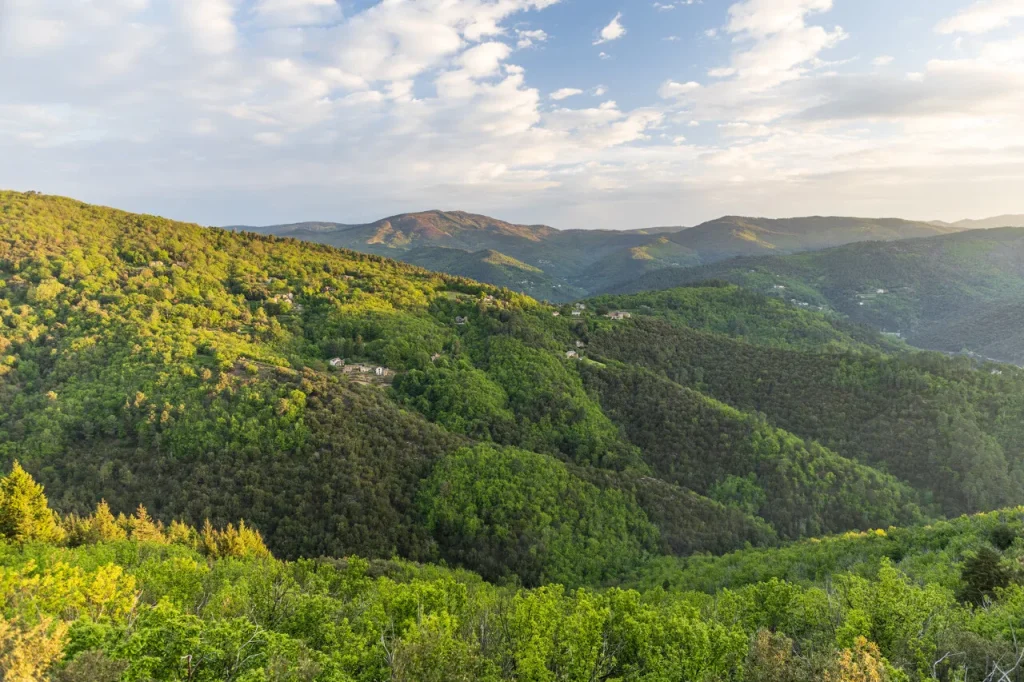
On either side of the Corniche des Cévennes run streams that mark out a series of small valleys. From west to east, starting from Florac, these valleys are characteristic of a Mediterranean landscape with a rich history linked to chestnut trees, mulberry trees and goats. To the south-east of Florac lie a series of small, schist-covered valleys with rugged terrain, whose peaks on the horizon are tinged with the same shade of blue. They are known as the ‘gardon valleys’ – these clear, sometimes torrential rivers which, in autumn, swell into sudden floods of gardon fish.
It is here, in the “Cévennes of the Cévennes”, that part of the history of the Camisards was written. From north to south, on the Mediterranean side, the Cévennes valleys run in parallel: the Longue Valley, which leads further on towards the Gard, the Grand-Combien region and Alès; the Française Valley and the Calberte region; and, separated from the latter by the Corniche des Cévennes – a superb ridge road – the Borgne Valley.
A wonderful cultural getaway
Parc national des Cévennes
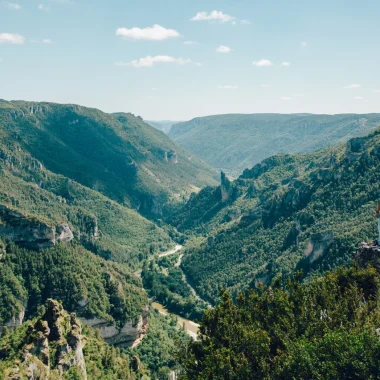
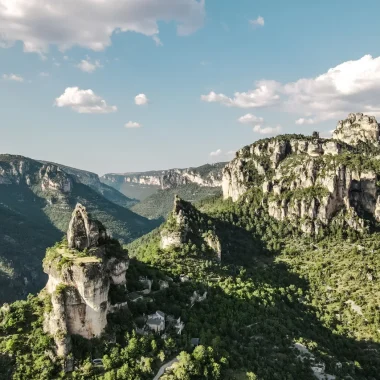
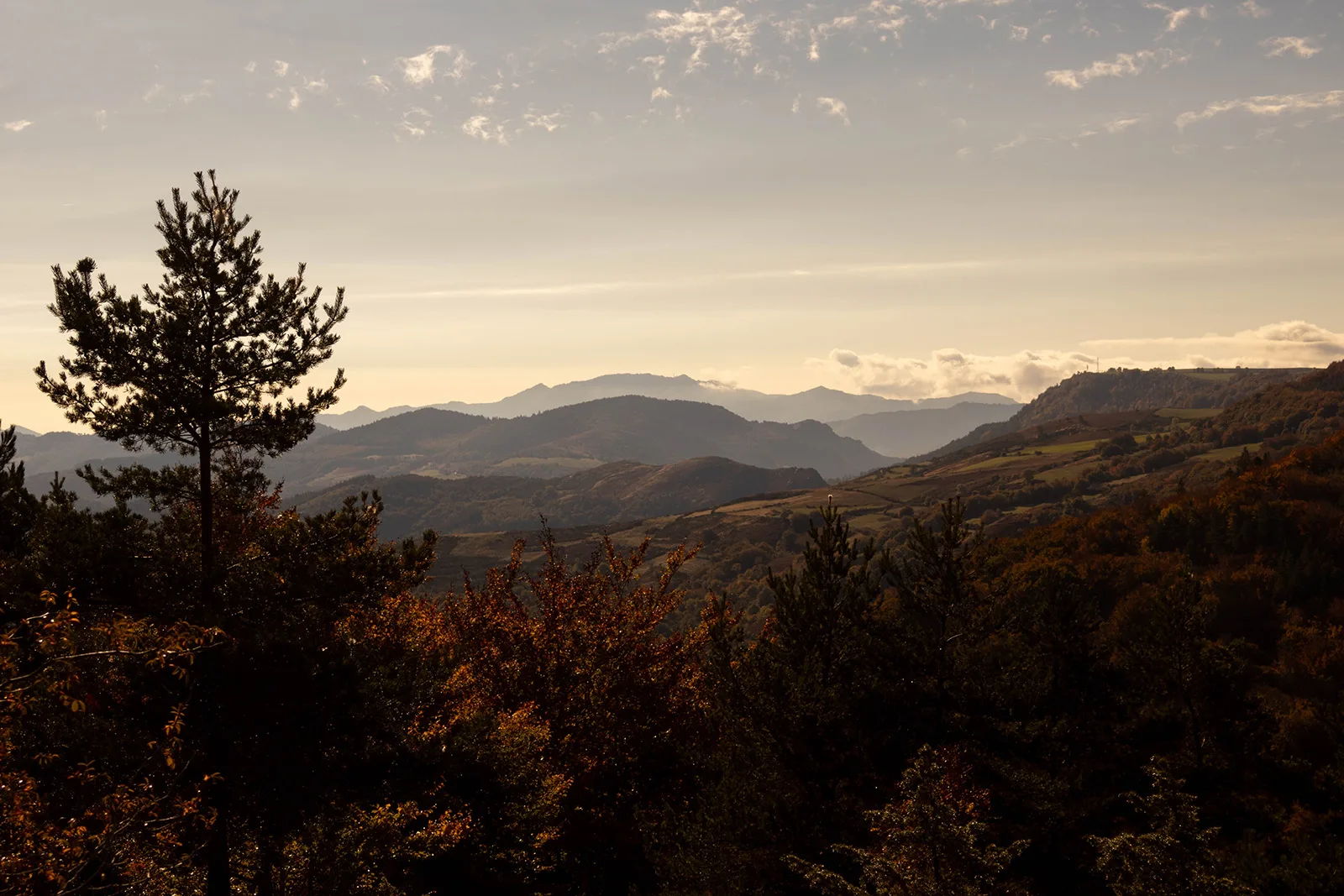
Established in 1970, the Cévennes National Park works to conserve animal and plant species, as well as to promote harmonious coexistence between people and their environment. From Florac to Saint-Germain-de-Calberte, a region of winding roads, the Cévennes are brimming with picturesque walking routes offering breathtaking views and stunning sights. It is an ideal destination for beautiful and cultural getaways, with the Cévennes valleys, Mont-Lozère, the Gorges du Tarn and Jonte, and the Grands Causses.
Did you know? It is the only national park in France whose ‘core’ area is inhabited! Around 800 people live there all year round. It has enjoyed special protection since it was designated a “biosphere reserve” in 1985 and inscribed on the UNESCO World Heritage List in 2011. Pop along to the Maison des Causses et Cévennes UNESCO in Florac to find out more.
The Chassezac Gorges
Set in a truly unspoilt natural environment, the granite gorges of Chassezac offer a variety of spots with stunning views, making them ideal for beginners to rock climbing! Located near the village of La Garde-Guérin, the site features nearly 150 routes, spread across three sectors. If you fancy a dip, the gorges also offer the chance to try your hand at canyoning, supervised by a professional.
The Stevenson Trail (GR®70)
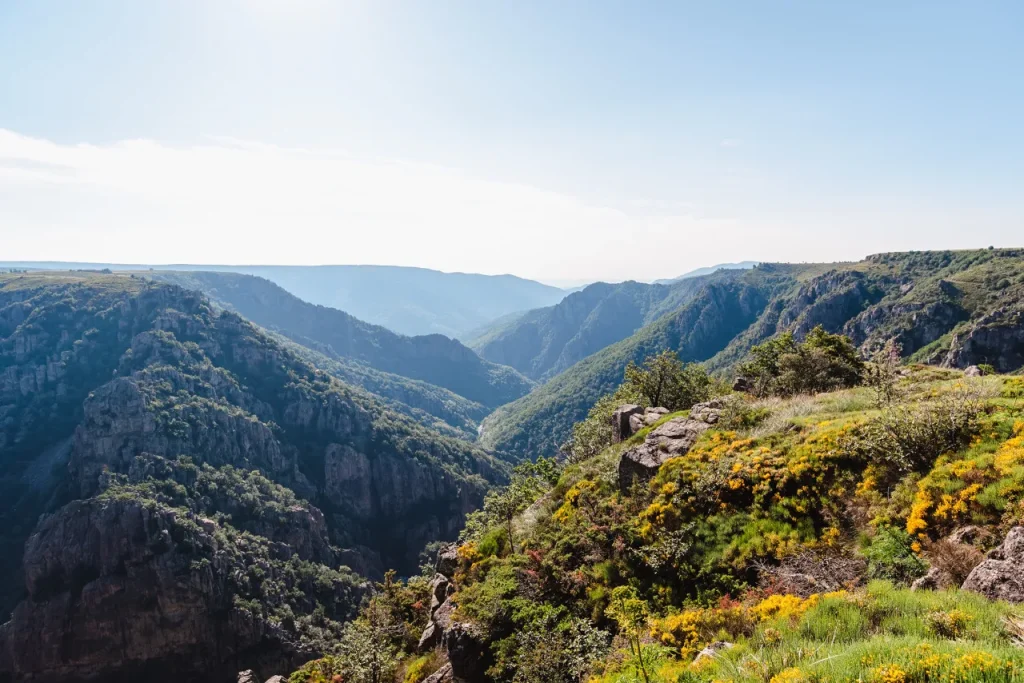
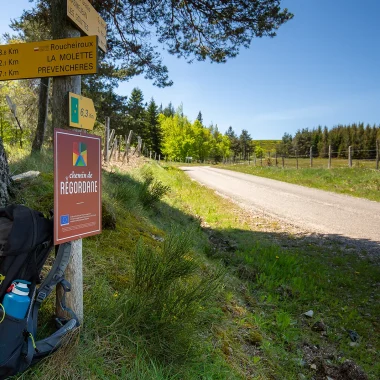
The historic route travelled by the famous Scottish writer in 1878 over a period of 12 days. From the Velay highlands, via Mont-Lozère, to the Cévennes valleys. Hiking enthusiasts can follow in the footsteps of the famous writer along the Grande Randonnée 70 trail, which runs from Le Puy-en-Velay to Alès.
Robert Louis Stevenson was a young man of 28 when he set out on this journey through the Cévennes. On 22 September 1878, the Scottish writer set off from Le Monastier-sur-Gazeille, near Le Puy-en-Velay, to cross the Cévennes on foot in the company of a donkey named Modestine. He had two aims: to get over the return to America of the beautiful American woman Fanny Osbourne (whom he would eventually marry a few years later), and to explore the land of the Camisards…
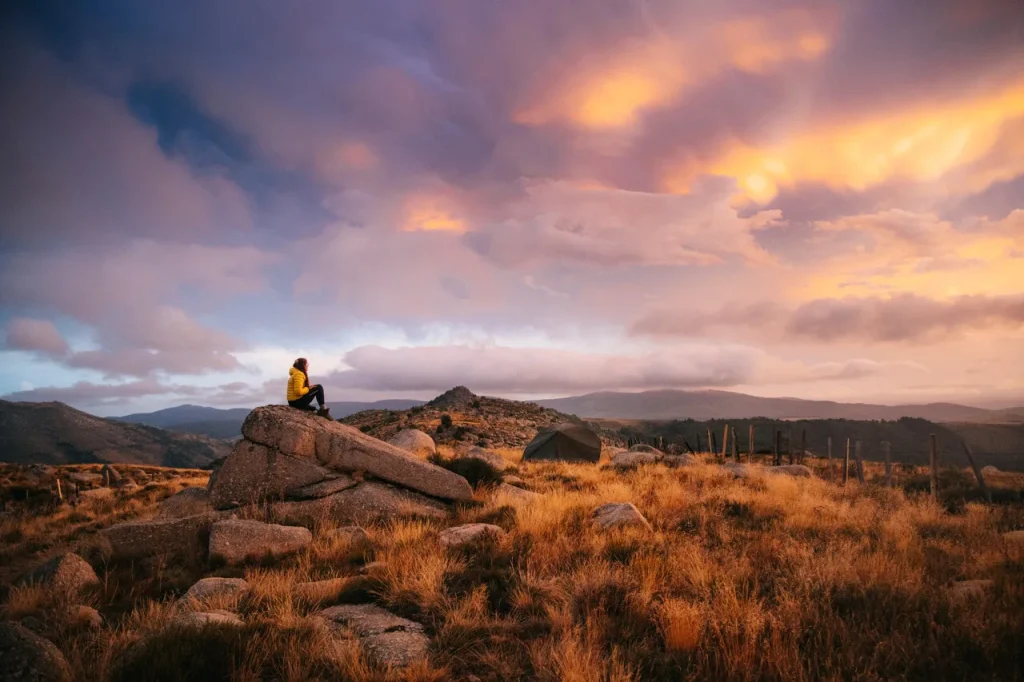
“There were so many wonderful moments over those three days that it feels as though I set off just a week ago. Living outdoors gives you the chance to observe nature and experience the elements.”

The works of Robert Louis Stevenson
Twelve days, 220 km and many adventures later, he arrived in Saint-Jean-du-Gard, near Alès, at the end of a most picturesque journey. Every evening, he took care to keep a diary, which was published in London in 1879 under the title Travels with a Donkey in the Cévennes. This book has made it possible to retrace his route, now known as the Stevenson Trail (GR®70), which offers walkers – whether or not they are accompanied by their own ‘Modestine’ – the chance to follow in the footsteps of this Scottish adventurer who was in love with France… Forming a link between Auvergne and Occitanie, this route is a wonderful invitation to travel – a journey of discovery through the Velay and its volcanic landscapes, the mysterious Gévaudan and its legends, the granite outcrops of Mont-Lozère and the deep Cévennes, steeped in history.
The Cévennes Farm
La Ferme des Cévennes is a bit like Noah’s Ark. Except that here, there’s no boat, just a schist farmhouse with 56 roofs. Yes, we’ve counted them. Hidden beneath these roofs are a sheepfold, maturing cellars, a cheese dairy and even guest rooms. Perhaps yours? We hope so! Because on this farm, holidaymakers’ daily lives are rather lovely. So much so that many wish they could stay there forever!
To give you an idea, a typical weekend starts with a tour of the farm to meet its furry and feathered residents. Next up is a short hike in the mountains to fetch the goats. Then it’s time for a dinner with a local flavour. Yum! The next morning, it’s cheese-making time… complete with apron and hairnet, just like the pros! And in the afternoon, a walk with a four-legged friend who goes ‘hi han’. We’ll let you guess who we’re talking about…
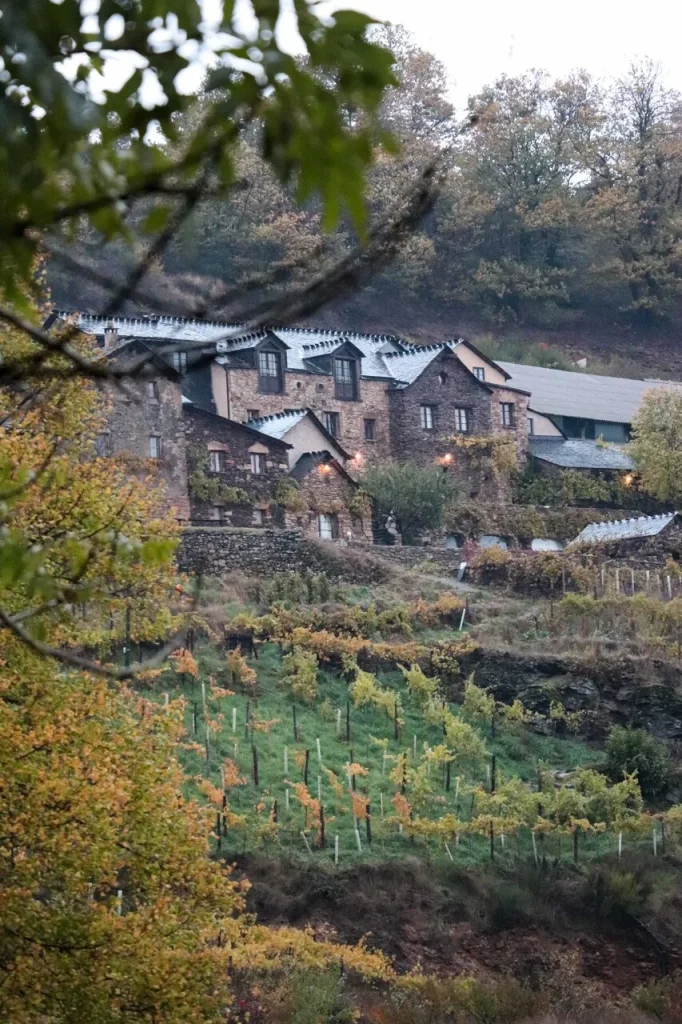
Must-see photo spots
PANORAMA FROM THE SUBLIME POINT
Panoramas

Photo spot

Photo spot

Photo spot

Photo spot

Photo spot

Photo spot

Photo spot

Photo spot

Photo spot

Photo spot

Photo spot

Unique experiences
Make the most of your stay in the Cévennes to set off on new adventures. Wellbeing, exploration, hiking, local expertise – whatever the season – plan your stay by booking unique experiences.
Stay in the Cévennes
Accommodation
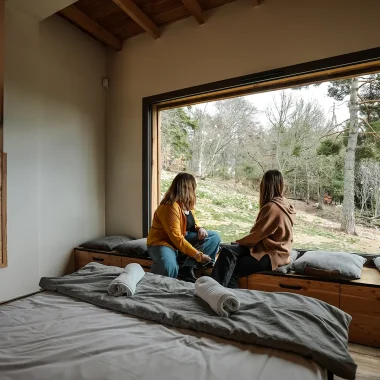
Fancy a change of scenery in accommodation in the heart of the Cévennes? Give it a go and book your bed and breakfast, holiday cottage, self-catering accommodation, hotel room, stopover accommodation, camping pitch or room in a holiday village.


BED AND BREAKFASTS AT THE END OF THE WORLD
Bed and breakfasts


Group / holiday gîtes

Group / holiday gîtes

Group / holiday gîtes

Group / holiday gîtes

Group / holiday gîtes

Group / holiday gîtes

Group / holiday gîtes

Group / holiday gîtes

Group / holiday gîtes

GITE COMMUNAL DU PONT DE MONTVERT
Group / holiday gîtes

Group / holiday gîtes


Hotels

Hotels

Hotels – restaurant

MAS DE LA BARQUE HOLIDAY VILLAGE – GROUND FLOOR APARTMENT FOR 2-4 PEOPLE
4 stars Rental in village
Bookable online


4 stars Rental in village
Bookable online


How do I get there?
- By car from Mende, Sainte-Enimie, La Canourgue, Villefort, Langogne, Aumont-Aubrac, Saint-Chély-d’Apcher and Meyrueis
- By car from Paris, Bordeaux, Toulouse, Montpellier, Lyon, Marseille and Nîmes
- By train, on the Train de l’Aubrac line or the Cévenol line
- By bus with liO
- By tourist shuttle: minibuses that criss-cross Lozère in every direction during July and August
- By plane, via the nearest airports: Rodez, Clermont-Ferrand, Nîmes, Montpellier, Marseille, Lyon, Toulouse
Frequently Asked Questions
What is the Cévennes National Park in Lozère?
The Cévennes National Park was officially established on 2 September 1970. This public body has three main remit: to understand and monitor the area; to support the area’s sustainable development; and to welcome visitors and raise public awareness. It is organised into three departments: the Land Knowledge and Monitoring Department, the Sustainable Development Department and the Visitor Services and Awareness-Raising Department.
Which departments make up the Cévennes?
Most of the Cévennes lie between Lozère and Gard; they also extend into Ardèche.
What is the main town in the Cévennes?
The capital of the Cévennes is Florac. Alès is also one of the main towns.
What are the most beautiful places in the Cévennes?
It’s hard to say – we’ll leave it to you to tell us!