Set off to see the Przewalski’s horses on the Causse Méjean and discover the natural habitat of these wild horses living in Lozère.
Do you think holidays are all about getting away from it all? Well, we’ve got just the destination for you. Right on your doorstep. Mongolia! No, you’re not dreaming – Mongolia has made itself at home in Lozère, on the Causse Méjean. With its steppe-like landscapes and a population density close to zero, you’d think you were really there.
There’s even a herd of Przewalski’s horses – the last wild horses on our planet – straight from Mongolia! To see them, you don’t need a passport or a visa. Just a little patience… and a guide of the highest calibre: a scientist! With him by your side, set off on an intimate, timeless journey that will leave you feeling transformed. And convinced that France is #theplacetobedépaysé!
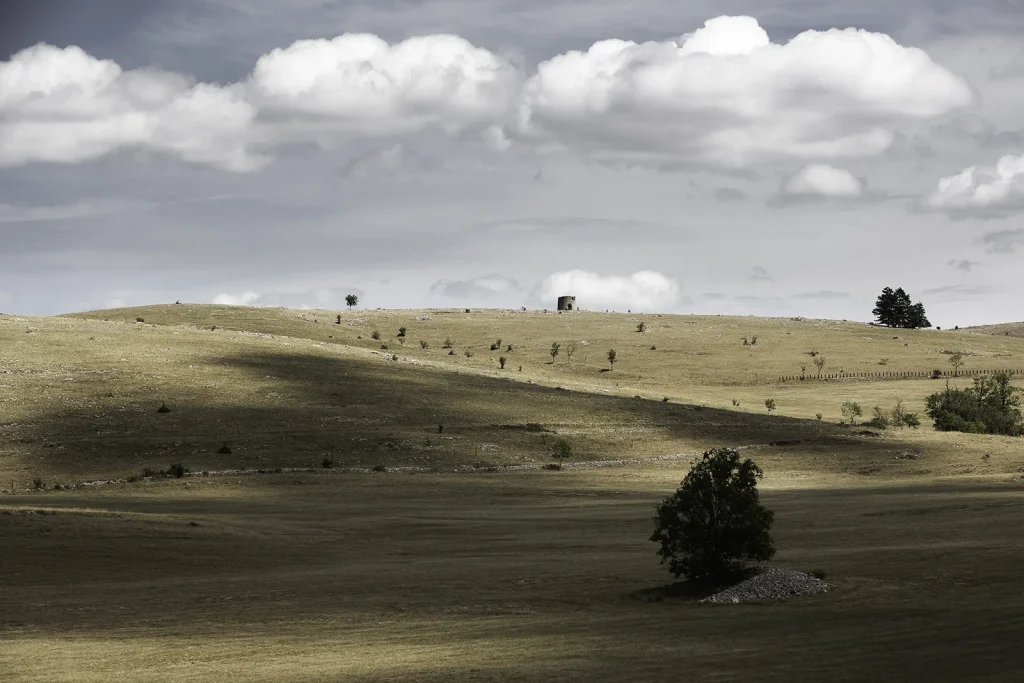
Causse Méjean, a one-way ticket to Mongolia
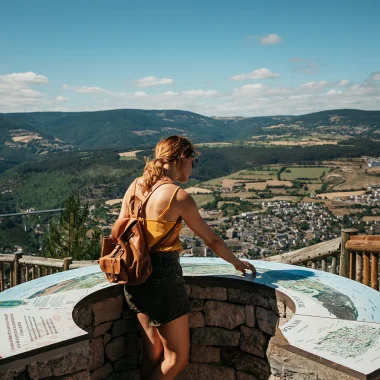
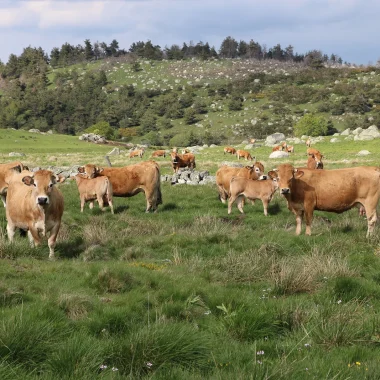
Do you think we’re exaggerating when we tell you that the Causse Méjean looks strikingly similar to Mongolia? See for yourself! The Causse Méjean is an arid limestone plateau, blanketed in snow in winter and bathed in sunshine in summer. A vast, windswept steppe, dotted with thistles and angel’s hair. A mountainous region, surrounded by deep gorges, like an inland island. An exceptional landscape, listed by UNESCO in 2011, where livestock farming and transhumance are still the norm. And where nature reigns supreme. It’s worth noting that the Causse Méjean has a population density of just 1.4 inhabitants per square kilometre. That’s 75 times lower than the French average. And it’s lower even than in Mongolia, the world’s least densely populated country! Welcome to the wild side of France.
Le Villaret, its horses and its scientists
Just a few more kilometres along the D63, counting the sheep and the cazelles (dry-stone shepherds’ huts), and a hamlet appears on the horizon: Le Villaret. A hamlet with incredible charm and a real ‘end-of-the-world’ feel. It was here that the TAKH Association set up base in 1993 and opened a Przewalski’s horse reserve, covering 400 hectares! As Przewalski’s horses are wild, visits can only take place accompanied by a scientist, and in very small groups. You were wise to book your place – there won’t be enough for everyone! At 10 am, the nine participants have arrived, and the tour can begin… Well, almost! Your guide, an expert on Przewalski’s horses, first goes through the safety instructions. And he sets you your first tricky question: what do you think ‘takh’ means?
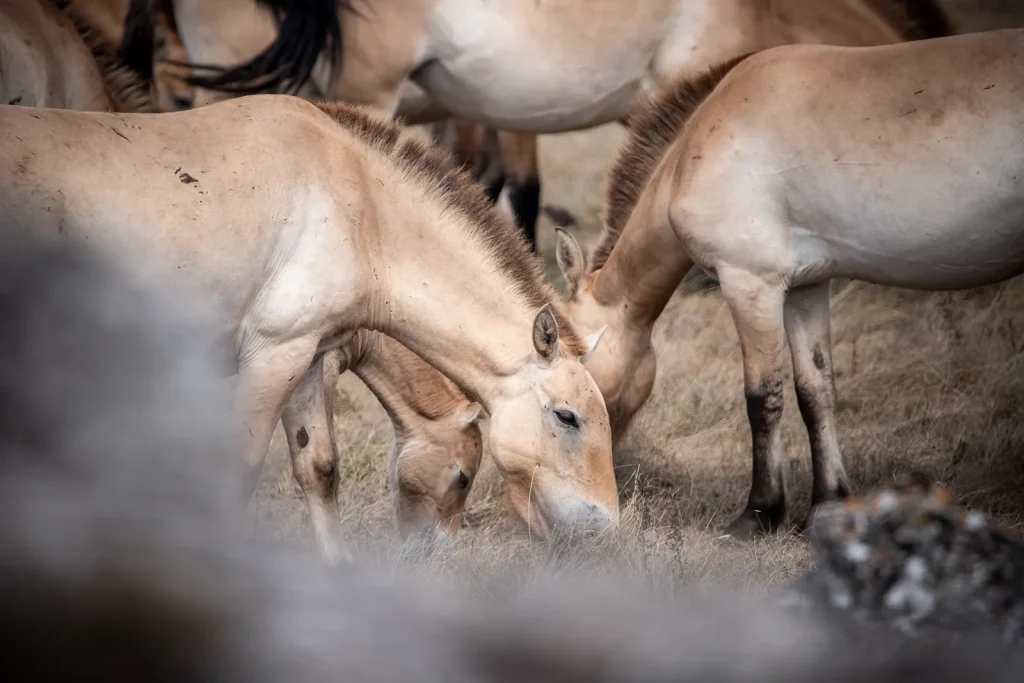
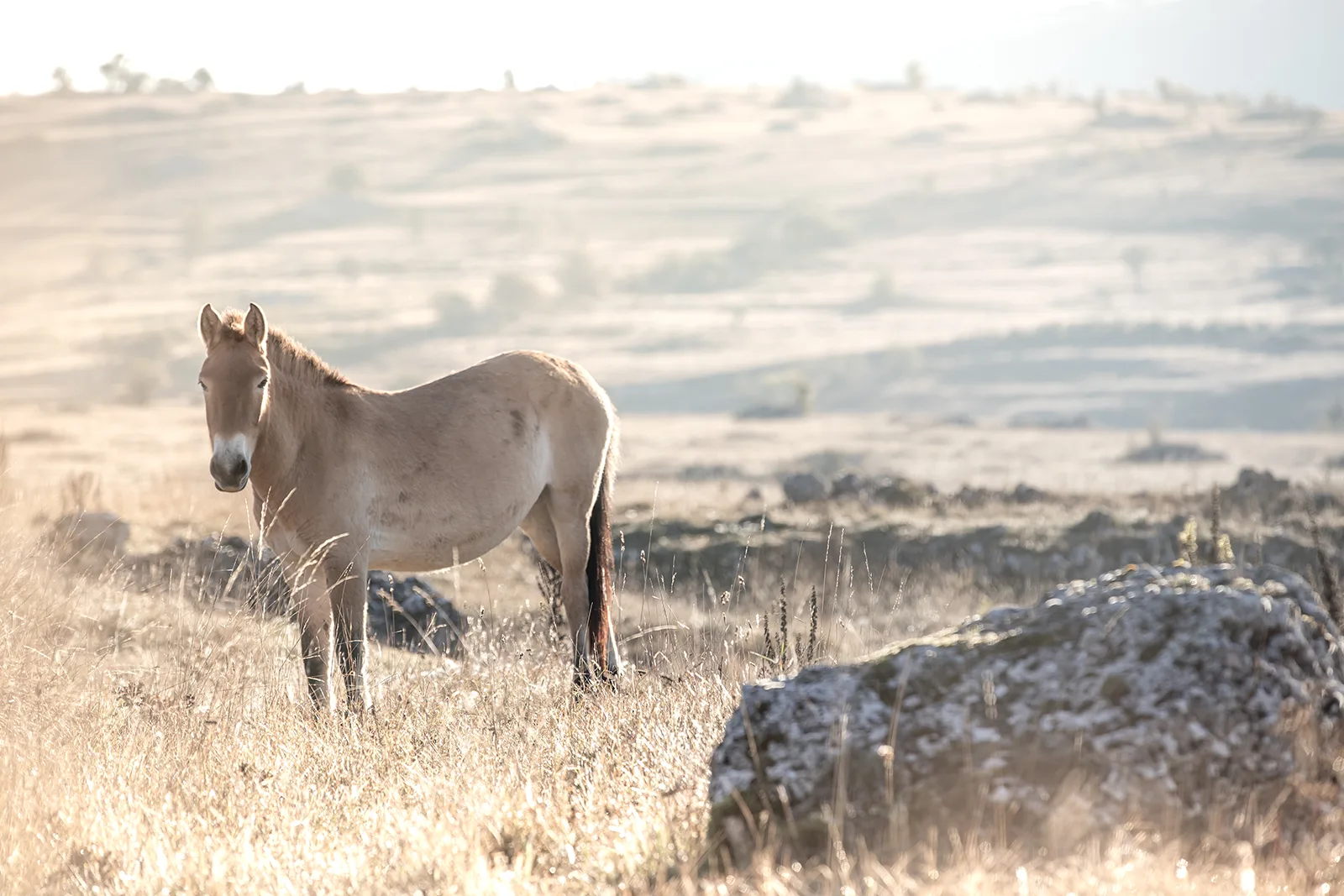
In Search of the Lost Horses
Verdict: ‘TAKH’ simply means ‘horse’ in Mongolian! But it might just as easily have meant ‘rare’. Victims of hunting in Mongolia, as well as capture operations carried out by Western zoos, Przewalski’s horses had in fact disappeared from their natural habitat by the 1960s. To save the species, action had to be taken!
And that is how the Villaret Reserve came into being. In this landscape reminiscent of Mongolia, 13 horses, brought from zoos across Europe, have regained a state of near-freedom and a life governed by the changing seasons. Over the years, they have bred, enabling the reintroduction of 22 ‘takh’ to Mongolia! A wonderful story, isn’t it? As your guide tells you the story, your steps take you across arid meadows dotted with cardabelles and blue thistles. Time seems to have stood still; there’s not a movement on the horizon. When suddenly…
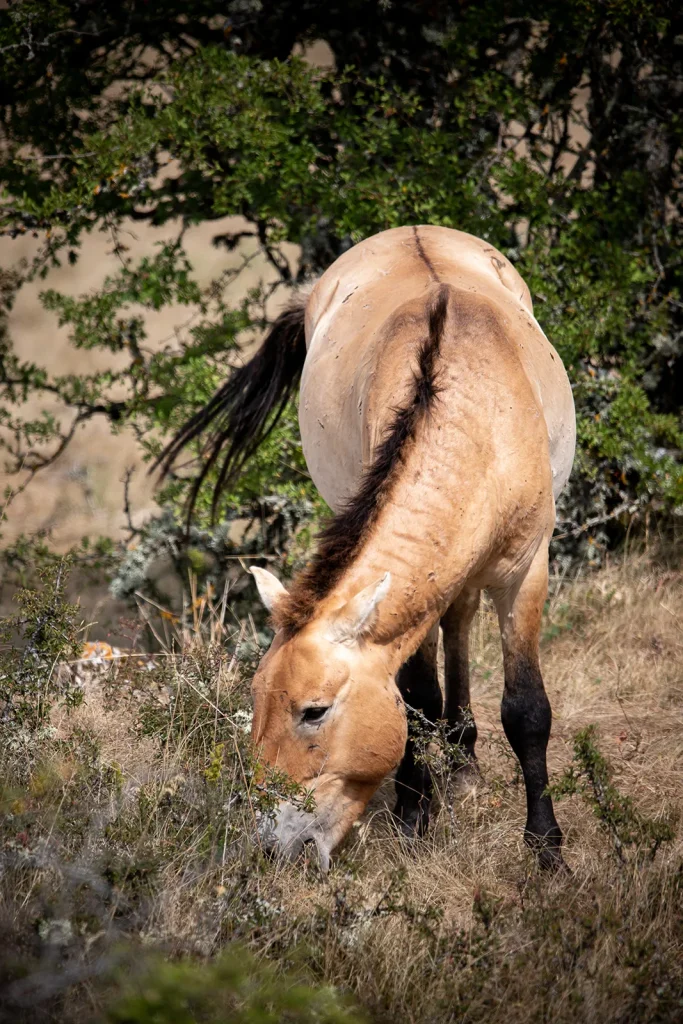
Nothing beats the spectacle of nature
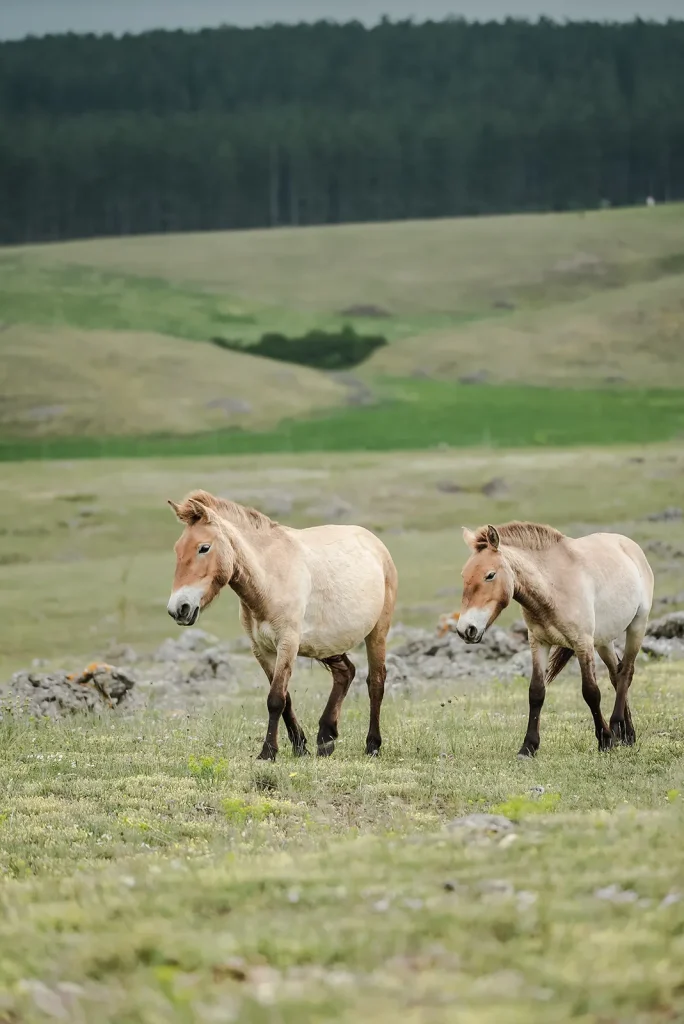
The group falls silent. The whispers give way to absolute silence. And with good reason: after a short climb, a new section of the Causse Méjean comes into view. And in the distance, silhouetted against a ridge, not one, nor two, but five Przewalski’s horses! Your guide reminds you of the rules: it is more important than ever to stay together and keep a low profile. Przewalski’s horses are wild animals; they may scatter if they sense danger. So, slowly but surely, you approach the horses. Their silhouettes become increasingly clear. They are stocky and rather small, standing about 1.30 metres at the withers. You can make out their beautiful caramel colour (riders would call it ‘isabelle’!), their bristly manes and their pure white noses, which look as if they’ve been dusted with flour! You weren’t speaking to begin with, but this spectacle of nature leaves you… speechless!
Somewhere between Mongolia, the Dordogne and Poland
You stand there for a long time, motionless, watching these horses that seem to come from another era or another planet. On the way back, your guide resumes his explanations. Behaviour, adaptation to the environment, reintroduction: he covers it all! True to form, he also asks you a few questions. How many horses do you reckon there are? The verdict: 29 takh currently live in Lozère and nearly 100 in the Khomyn Tal reserve in Mongolia. And don’t these horses remind you of certain cave paintings, by any chance? But yes, of course – the paintings in the Lascaux Cave! And why are they called ‘Przewalski’? Er, is that the name of a region in Mongolia? Wrong! It’s a Polish name – that of the explorer who discovered them in 1870! Mongolia and Poland, past and present: didn’t we warn you that the Causse Méjean is #theplacetobedépaysé?
Plan your stay
Where to eat, where to stay, what to do?
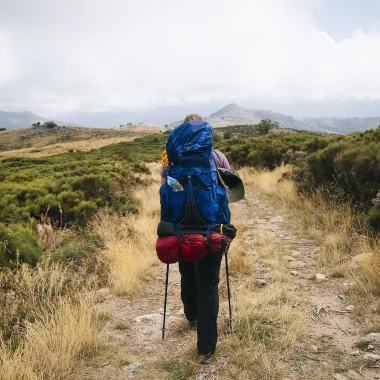
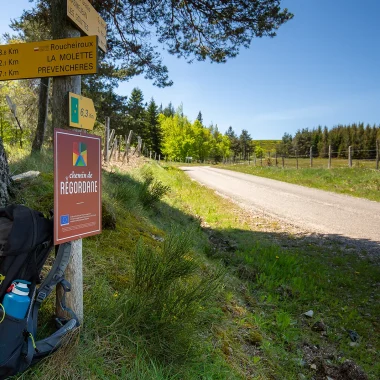
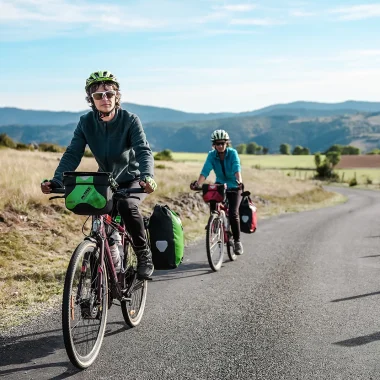
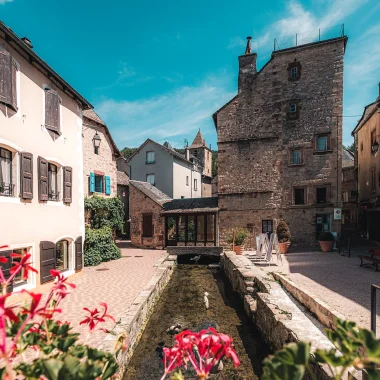
Your visit to the Przewalski’s Horse Reserve may be over… but the Causse Méjean still has plenty of surprises in store for you! Are your legs itching to get moving? Cycle around the Méjean. Do you prefer beautiful stone buildings? Discover the Causse-style architecture of the hamlet of Villaret by following the interpretive trail, or visit the Moulin de la Borie. A fan of hiking? The Causse Méjean GRP trail or the Chaos de Nîmes-le-Vieux walk are just the thing for you. Feeling peckish? Pop into a farmhouse inn to sample some delicious local produce. And if the temperature soars, head underground!
Bed and breakfasts

Horse trekking

Bed and breakfasts

Restaurant

Caves and sinkholes


ARMAND AND MARIE’S ICE CREAM PARLOR
Restaurant

How do I get there?
Do you live in Occitanie? The Causse Méjean is just a stone’s throw away! So, leave the hectic pace of a typical holiday set-off behind, and take the time to make a few detours.
- From Montpellier, leave the A75 and take the D986 instead, travelling through the Cévennes from Le Vigan (the capital of Reinette apples!) to the majestic Mont-Aigoual. Allow 2½ hours for the journey, plus breaks.
- From Toulouse, pop into the Soulages Museum or the Roquefort cheese cellars, then watch the vultures in the Gorges de la Jonte, before heading up to the Causse! Allow 3½ hours’ drive.