
On either side of the Corniche des Cévennes run small streams that mark the boundaries of numerous little valleys, each steeped in culture and traditions with a history linked to chestnut trees, mulberry trees and goats. Further north, the Mimente valley looks out towards Mont-Lozère and its verdant plateaus. Two faces for a single ‘region’…
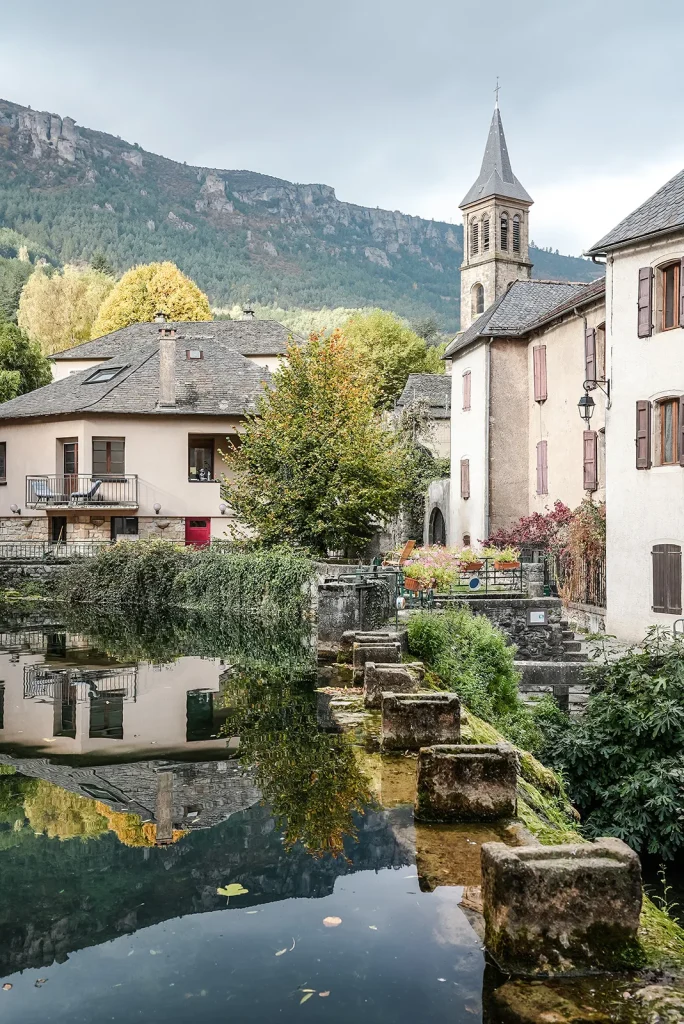
The Cévennes valleys
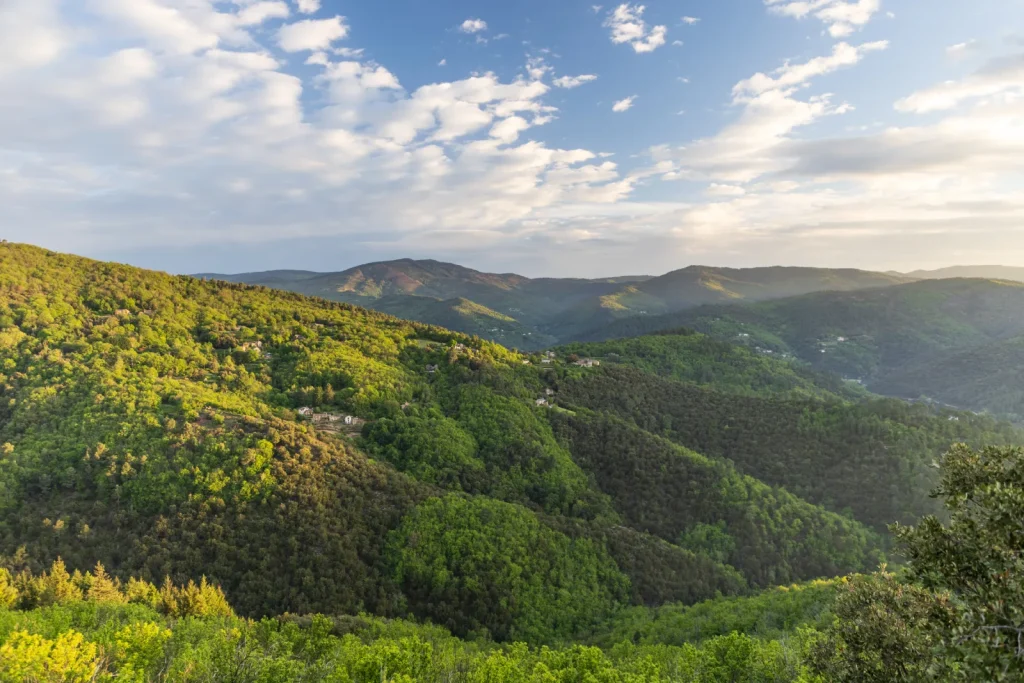
To the south-east of Florac lie a series of small, rugged schist valleys, whose peaks on the horizon are tinged with the same shade of blue. They are known as the ‘valleys of the gardons’ – these clear rivers, sometimes torrential, which in autumn swell into sudden floods of gardons. It is here, in the ‘Cévennes of the Cévennes’, that part of the history of the Camisards was written – ‘those Protestant resistance fighters whose churches still dominate the valleys, like citadels’. From north to south, on the Mediterranean side, the Cévennes valleys lie in parallel tiers: the Vallée Longue, which leads further on towards the Gard, the Pays Grand-Combien and Alès; the Vallée Française and the Calberte region; and, separated from the latter by the Corniche des Cévennes – a superb ridge road – the Vallée Borgne.
These three valleys are home to small villages with a few hundred inhabitants and their array of hamlets, outlying settlements and localities. All three offer visitors a view of their terraced Mediterranean landscape (or ‘bancels’), their dry-stone walls, their houses with slate roofs and a rich architectural heritage. These include the silkworm farms where silkworms were reared, the clèdes for drying chestnuts, the tree-trunk beehives, the bread ovens, the ‘trancats’ that regulate the flow of water during periods of heavy rain, and the ‘béals’ carved into the rock, channelling water from the river to houses or reservoirs, irrigating the meadows and powering the mills.
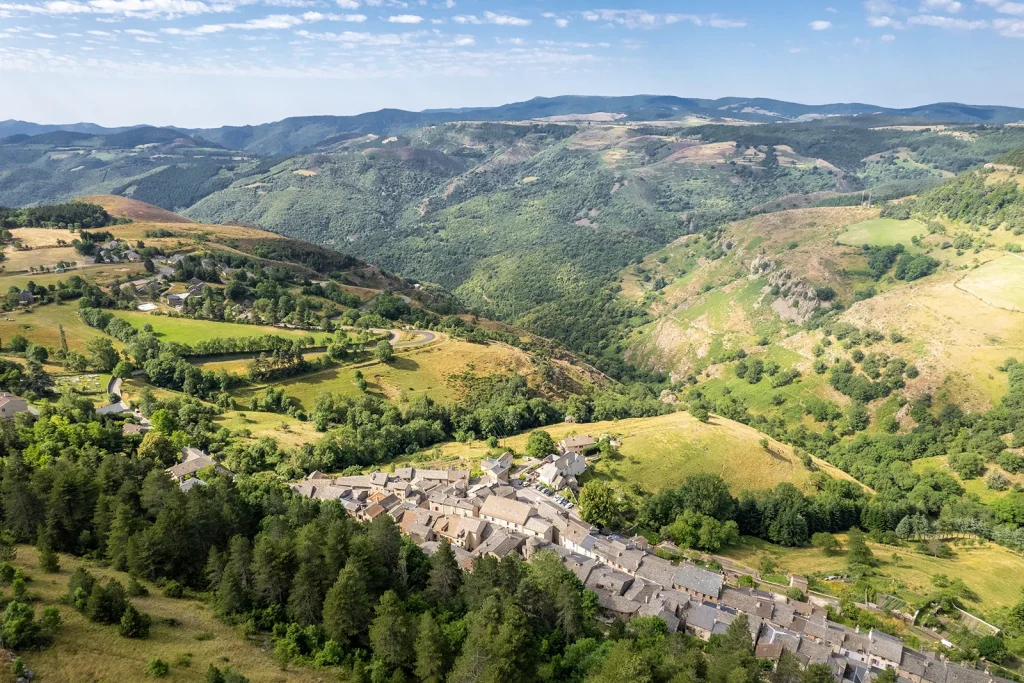
The heritage of the Cévennes
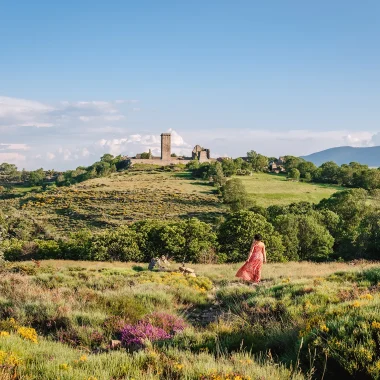
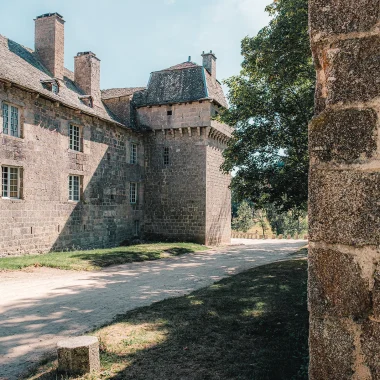
At the heart of the Cévennes National Park, the built heritage remains particularly well-preserved, whether in the form of dwellings, temples, Romanesque churches, fortified houses or castles bearing witness to small feudal estates… The identity of the Cévennes is evident across the region through iconic sites promoted by the Park, such as the Canourgue Tower, the Cévennes Valleys Museum, the Maison de l’Eau in the Borgne Valley, and the Desert Museum…
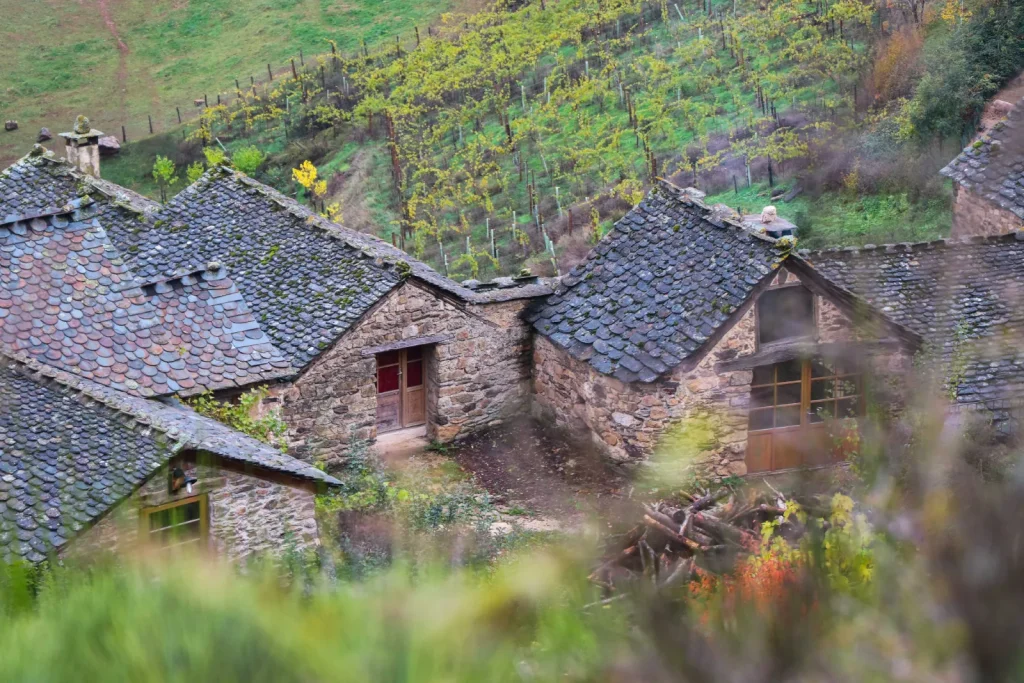

A closer look at the chestnut grove
The chestnut grove is still there, restored by a few farmer-gardeners. But one cannot fail to notice the grey trunks emerging from the foliage, bearing the marks of ink disease or canker. Sometimes, along the meandering banks of a stream or on a terrace, stands a golden tree (the mulberry) which succeeded the breadfruit tree (the chestnut), a tree that provided sustenance, if ever there was one, for both people and animals for generations. Both trees are linked to the region’s economic history, for the mulberry tree remains emblematic of the silk-worm farming industry that began under Henry IV, which reached its peak in 1850 before being wiped out by pébrine, a disease that ravaged entire silkworm farms…
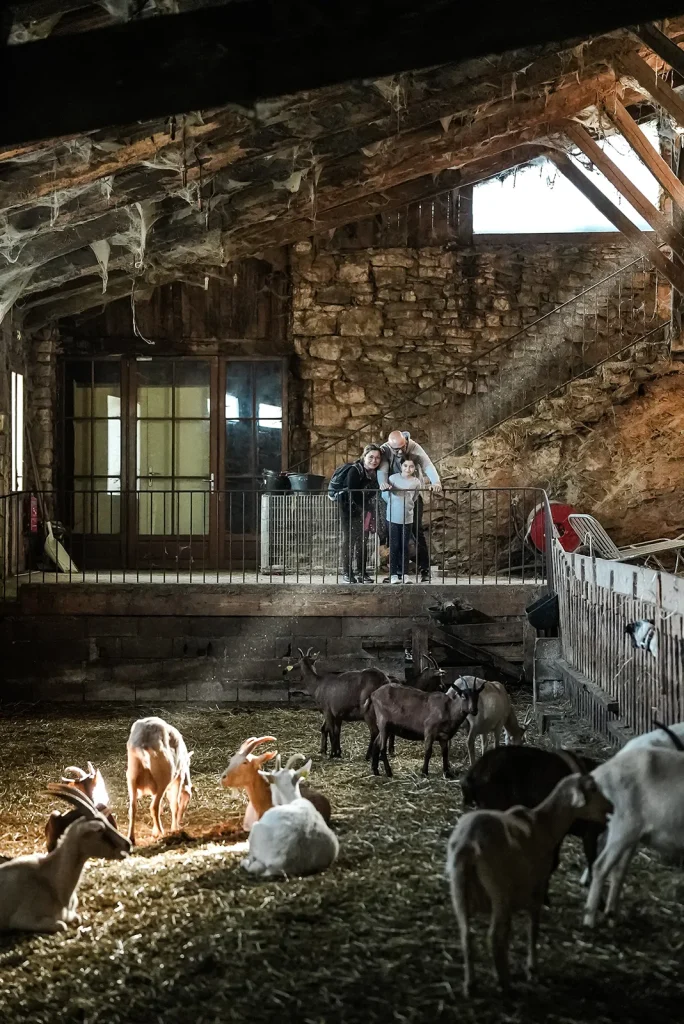
Hiking in the Cévennes
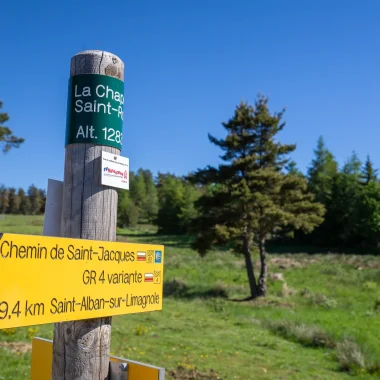
Numerous footpaths criss-cross these valleys, where, depending on the slope, Scots pines, beech trees, sessile oaks, larch and birch trees grow side by side. From the higher ground, they offer breathtaking views of the Cévennes, from Mont-Lozère to Mont Aigoual. These include long-distance hiking trails and interpretive paths accessible to all, signposted by the Cévennes National Park to help visitors understand the landscape shaped by human activity over the centuries. Some lead to farm inns where you can sample local produce and the famous pélardon, a goat’s-milk cheese with its own PDO status and its own festival, held every two years in early May in the village of Sainte-Croix.
Explore the Cévennes valleys: itinerary
On either side of the N106, the Longue Valley runs through communes named after saints: Saint-André-de-Lancize, Saint-Privat-de-Vallongue, Saint-Hilaire-de-Lavit, Saint-Michel-de-Dèze, Saint-Martin-de-Boubaux, Saint-Julien-des-Points and Saint-Germain-de-Calberte. At Collet-de-Dèze, the route already runs alongside the Gardon d’Alès. The Vallée Française stretches from Barre-des-Cévennes in the north to Saint-Étienne-Vallée-Française in the south, following the Gardon de Sainte-Croix. It passes through villages with scattered settlements: Molezon, Gabriac, Moissac, Sainte-Croix, Saint-Étienne… The Corniche des Cévennes, which runs from Le Pompidou to Saint-Jean-du-Gard, separates the aforementioned valleys from the Borgne Valley. The latter stretches along the Gardon de Saint-Jean-du-Gard and the D 907. Saint-André-de-Valborgne, Les Plantiers, Saumane, L’Estréchure and Peyrolles mark the route, which features five mountain passes: Salidès, l’Espinasse, the Col du Pas, the Col de l’Asclier and the Col de Mercou.
A landscape of granite chaos
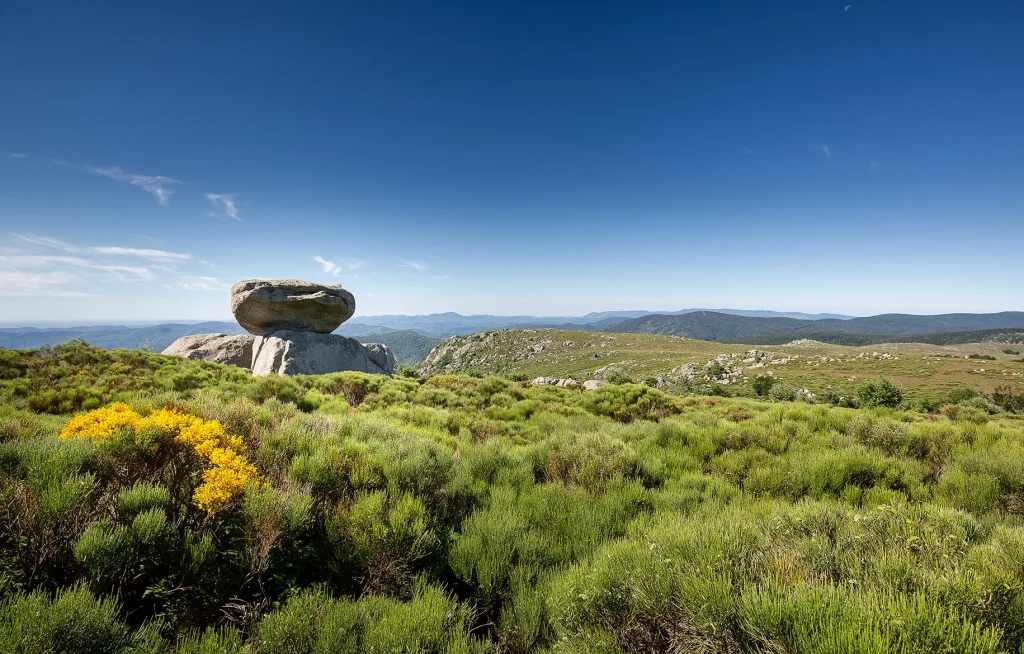
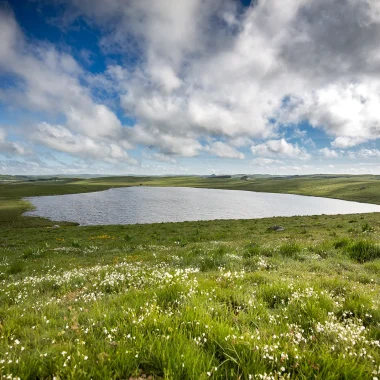
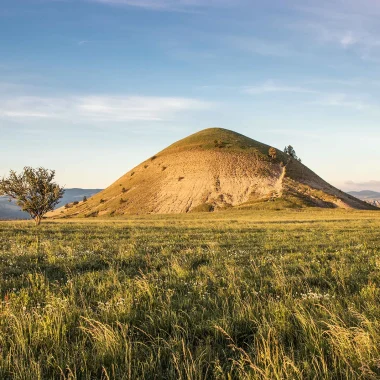
On the Atlantic side, the Mimente Valley opens out towards the Bougès and Mont-Lozère, a rugged, granite landscape dotted with ‘chaos’. Here, the Languedoc draille – a transhumance route – partly follows the watershed. Situated between Le Bleymard, Florac, Pont-de-Montvert and Villefort, Mont-Lozère offers views of the castles of Aujac, Portes and Sénéchas, with Mont Ventoux on the horizon. Unlike the Cévennes valleys, Mont-Lozère is damp and green, criss-crossed by streams. Winters here are particularly harsh. In this landscape of pastures, at altitudes of up to 1,300 metres, herds of cattle graze near hamlets and farms that are still in operation.
A rich natural and cultural heritage
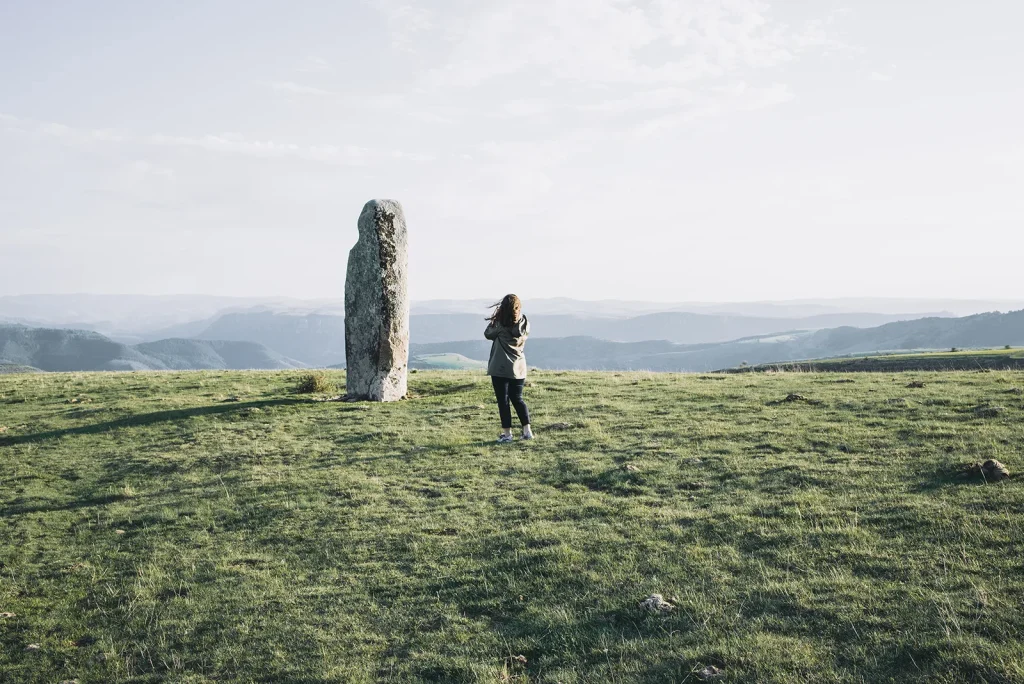
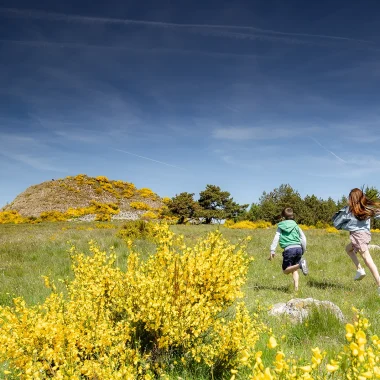
Peat bogs consisting of sphagnum mosses are a defining feature of the site: around a thousand have been recorded, dotted with rushes and home to insectivorous plants and common frogs… Elsewhere, the vegetation features grasses, pansies and wild tulips, broom, yellow gentian, blueberries, heather and bent grass… Not to mention the wildlife, including lizards, migratory birds, wild boar, red deer and roe deer, which are often spotted in the beech and fir forests. With menhirs, Gallo-Roman ruins and medieval villages, it is an open-air museum that you can explore at your leisure.
Thematics