As a region renowned for livestock farming, the various terroirs of Lozère produce a range of cheeses made from goat’s, cow’s or sheep’s milk. Made from raw milk and/or bearing the AOC designation, their quality depends on the quality of the mountain milk and the expertise of the producers.
Cheese in Lozère
Lozère, a department with one of the highest average altitudes in France, is well suited to livestock farming. Even today, herds of cows, goats and sheep there benefit from abundant pasture. And the farming systems, traditionally based on grazing, produce high-quality milk. Collected by large industrial groups and by around ten small-scale producers (the Chapert cheese dairy in Aumont-Aubrac, the Rissoan dairy in Luc, the Fromagerie des Cévennes…) or processed by more than fifty producers directly on the farm, this mountain milk is mainly used for cheese-making.
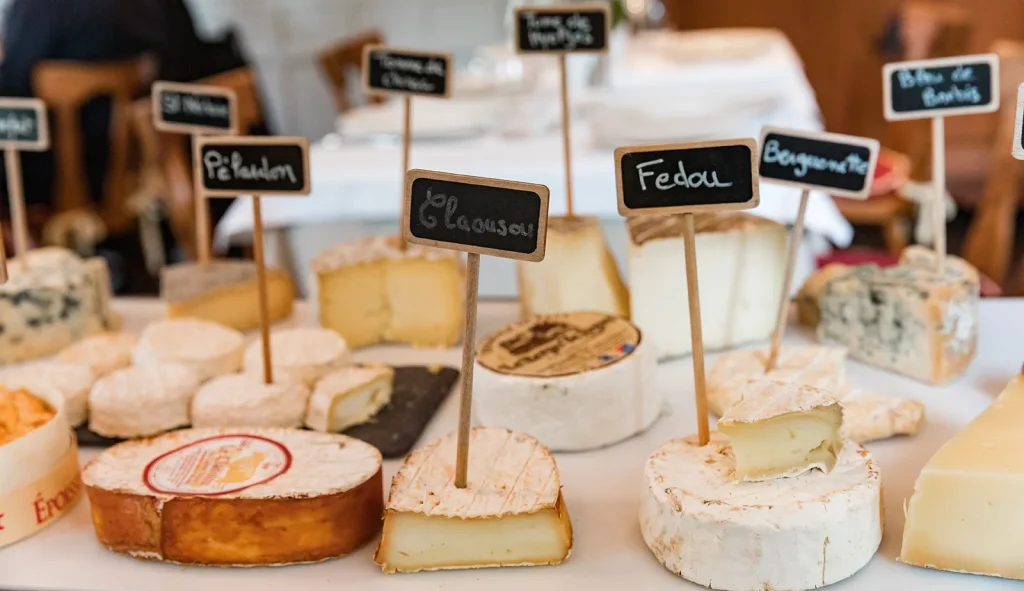
“Over 85 per cent of the department is covered by Appellations d’Origine Contrôlée (AOCs), including Roquefort, Bleu des Causses, Bleu d’Auvergne, Laguiole and Pélardon. The ‘cow’s milk’ sector produces 63,000,000 litres of milk per year and comprises 365 producers; the ‘sheep’s milk’ sector, 17,500,000 litres of milk per year and 210 farmers, whilst goat’s milk production stands at 2,800,000 litres with 70 producers. Farmhouse cheeses have grown in popularity over the last twenty years. “They are made from raw milk, which offers the best guarantee of flavour,” explains Marc Fabre, a technician at the Chamber of Agriculture. “Lozère, like a vast cheese platter, is divided into four natural regions: Aubrac, Margeride, Causses and Cévennes. Due to their specific natural environments and history, each has its own distinctive characteristics in terms of livestock farming and cheese production. A range of related products also flourishes here, including yoghurts made from sheep’s, cow’s or goat’s milk, and milk-based jams…”
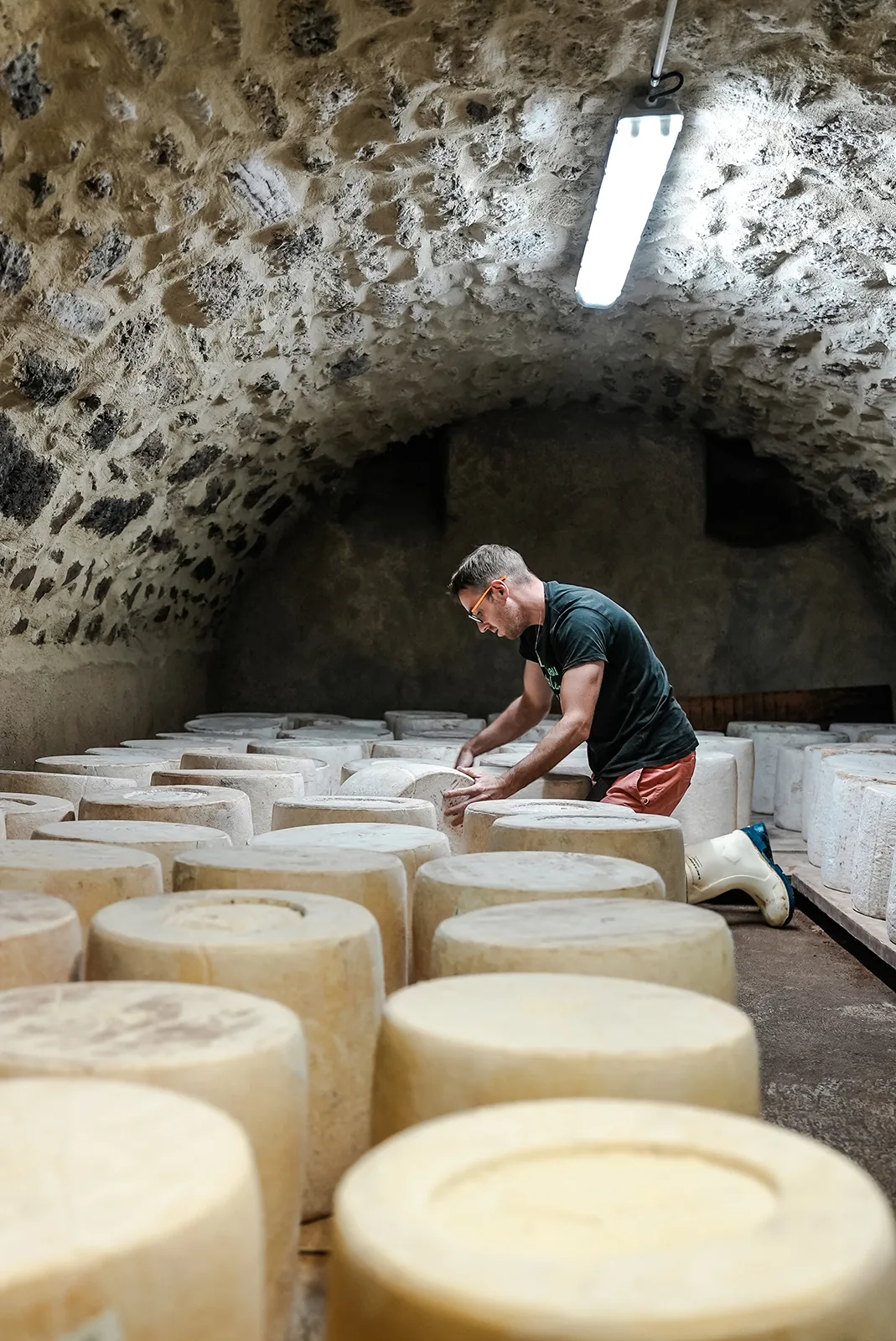
Laguiole and Tomes de Margeride
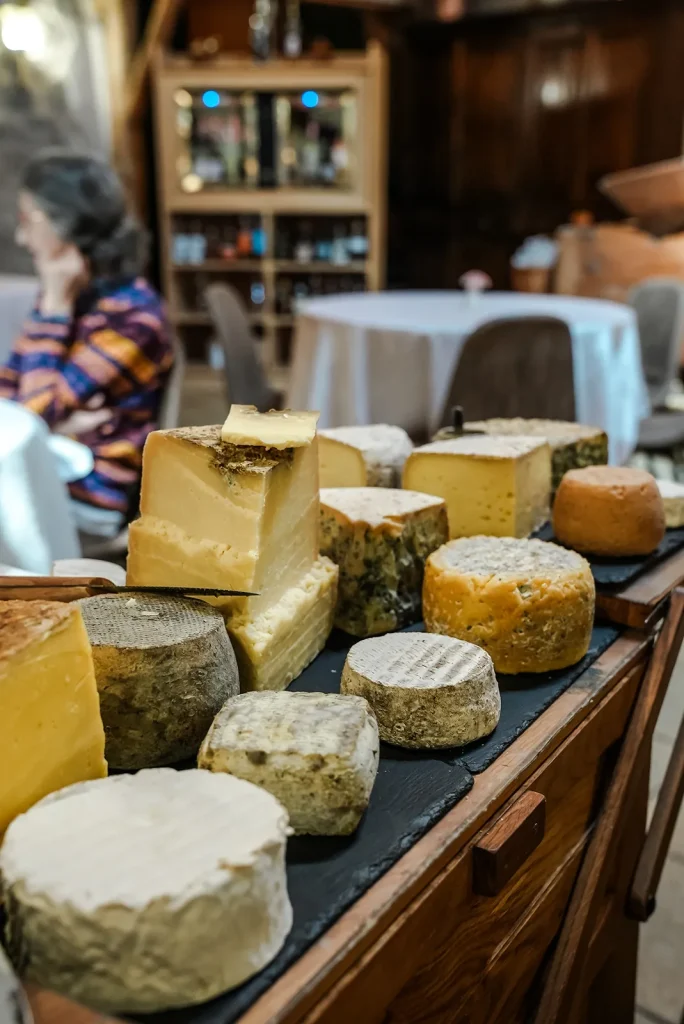
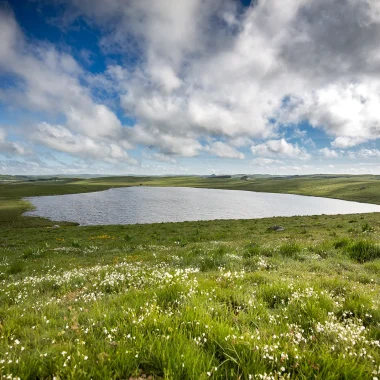
The Aubrac, this vast basalt plateau, has always been home, during the summer grazing season, to Aubrac cattle reared for their calves and for cheese-making in the burons. Nowadays, Aubrac cattle are primarily reared for meat, whilst the milk produced in Lozère is processed in Laguiole, in the Aveyron. “The production methods have remained traditional,” explains Marc Fabre. “We continue to produce long-ageing cheeses weighing 40 to 50 kilos on the Aubrac, which are matured for several months. These pressed cheeses undergo a double mechanical draining process: the first yields ‘aligot’, a fresh tome, whilst the second yields ‘Laguiole’.”
Bleu des Causses and Pélardon des Cévennes
The causses – vast limestone plateaus – are the domain of sheep and blue-veined cheeses. Roquefort accounts for 88 per cent of the volume of sheep’s milk produced in Lozère, whilst processing is concentrated in the Aveyron.
The Massegros cheese factory, which produces 15,000 tonnes of fresh brined cheese, similar to feta, sold in France under the Salakis brand, is the world’s largest dairy specialising in sheep’s milk. “Our cheese contains only milk, starter culture and salt. Its quality is recognised all over the world,” explains the site manager, Daniel Bertrand.
Of the four artisan businesses in the department – Fédou, Duo Lozère, Lou Passou Bio and La Bergerie de Lozère – the latter two are organic.
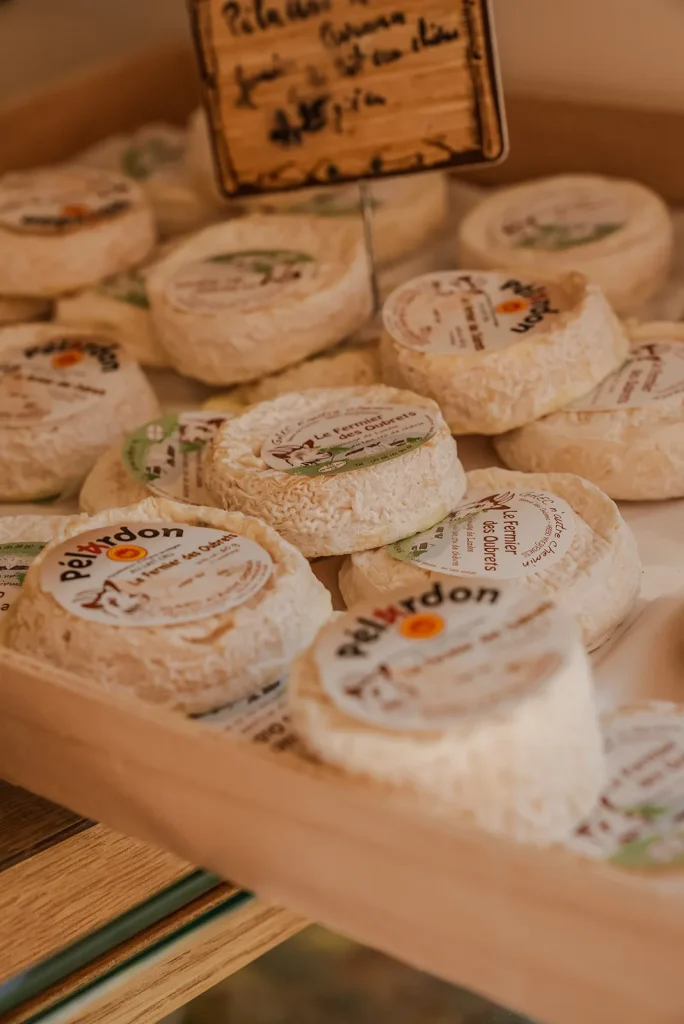
Characterised by deep valleys covered in Mediterranean vegetation and chestnut groves, whose fruits provide a feast for the animals in autumn, the Cévennes are renowned for producing the famous AOC goat’s cheese, the Pélardon. “Once made on farms for family consumption, Pélardon is still shaped by the ladleful. It weighs no more than 100 g. And more than half of the cheese produced in the department is made on the farm.”



Thematics