Immerse yourself in the history and heritage of the Cévennes National Park
The origins and creation of the park
The Cévennes National Park:
- It is the only national park in France whose ‘core’ area is inhabited.
- It is also the only one situated in the mid-mountain range in mainland France!
- A wide range of free events take place there every year as part of the ‘Festival Nature’.
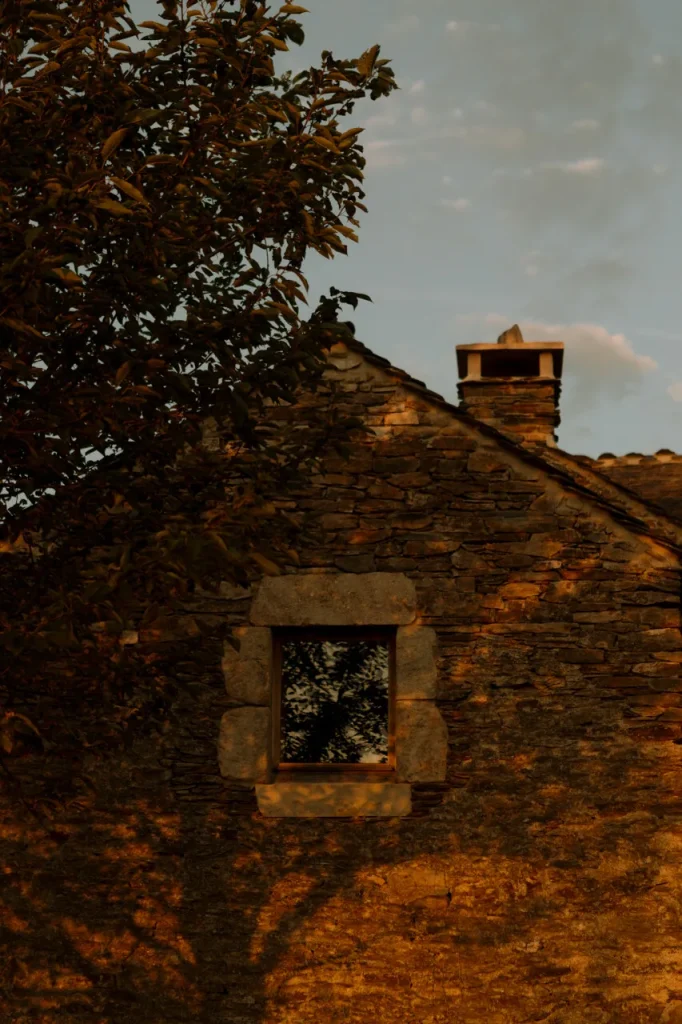
The richness of the flora and fauna, the diversity of the natural habitats and the abundance of springs all contribute to the exceptional character of this protected natural area, recognised as a National Park, designated a Biosphere Reserve and situated at the heart of the Causses and the Cévennes, living cultural landscapes of Mediterranean agropastoralism, inscribed on the UNESCO World Heritage List. 937 km². This is the area at the heart of this National Park, established in 1970. It is home to thousands of plant and animal species, but it is also a major site of human history. A unique case!
The main objectives of the Cévennes National Park are:
- Biodiversity management
- Preserving the character of the landscape and cultural heritage
- Promoting sustainable development, in particular through high-quality tourism
Discover its unspoilt landscapes and biodiversity
Its terrain and landscapes
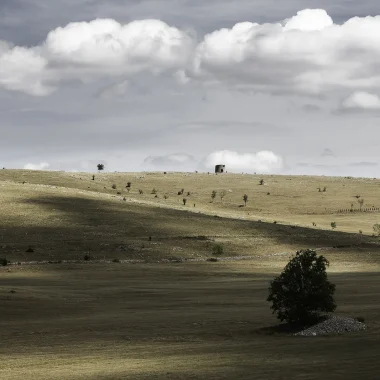
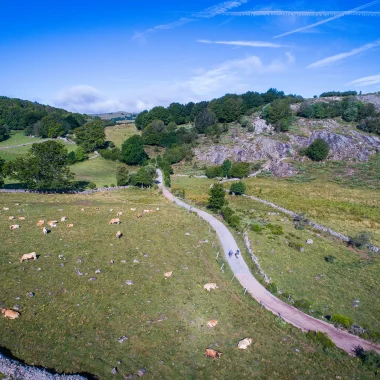
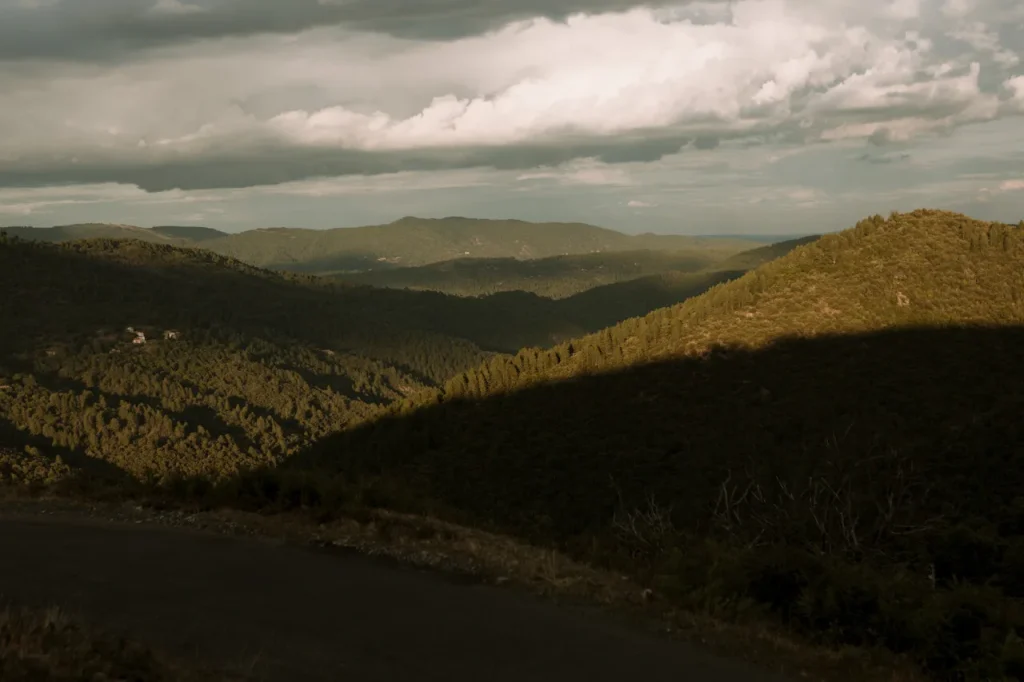
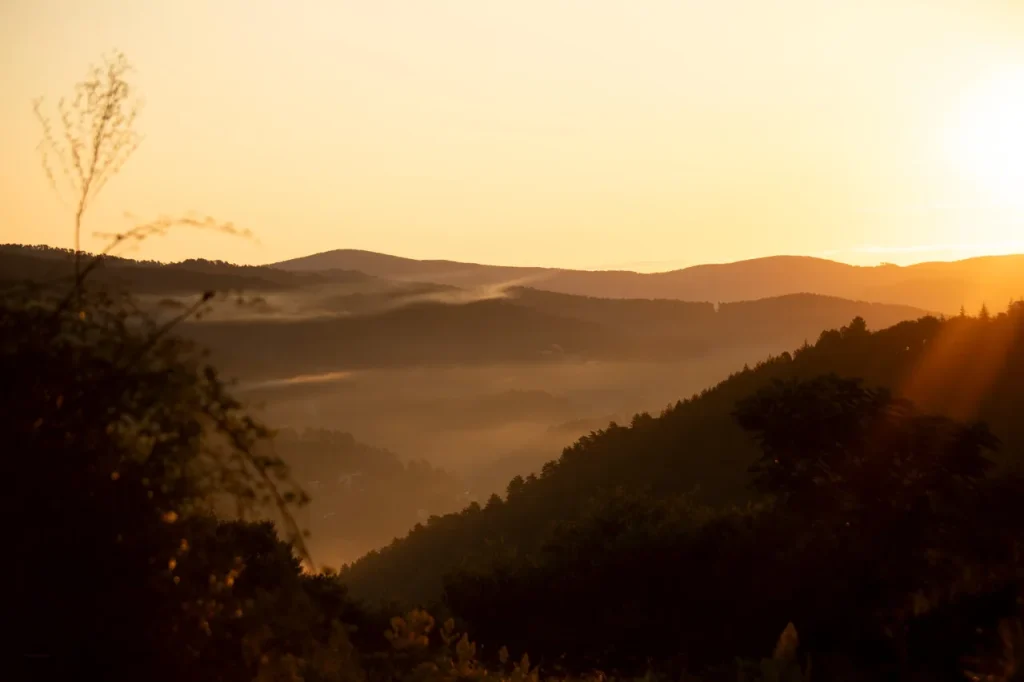
The Cévennes National Park boasts magnificent landscapes stretching across the departments of Lozère, Gard and Ardèche. Where schist, limestone and granite meet, four major landscape regions stand out, each distinguished by its topography, climate, heritage and land use.
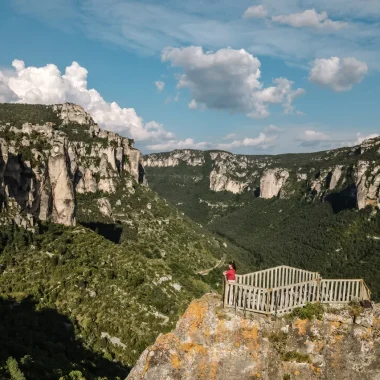
From the granitic highlands of Mont-Lozère to the majestic forests of Mont Aigoual, from the vast limestone plateaus of the Causse Méjean, carved by the spectacular Gorges du Tarn and Gorges de la Jonte, to the jagged ridges and deep valleys of the schist-covered Cévennes, there are countless opportunities to marvel at the sumptuous landscapes of the Cévennes National Park, shaped by human hands over millennia!
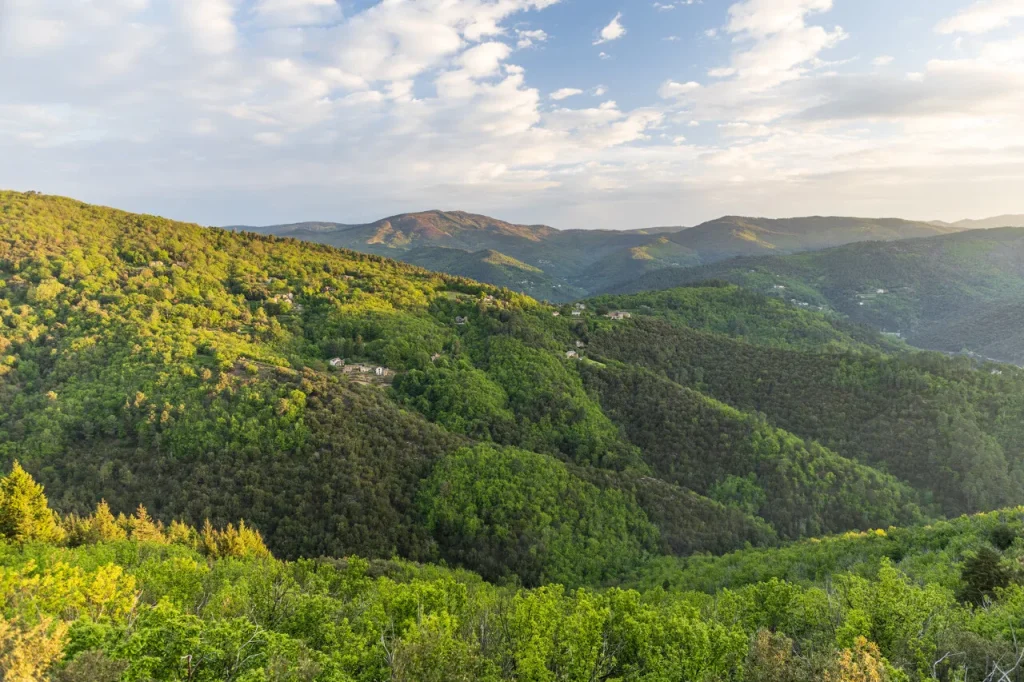
For a leisurely exploration of this natural and cultural heritage, make the most of the 5,000 km of signposted trails for walking, mountain biking or horse riding.
Its exceptional flora and fauna
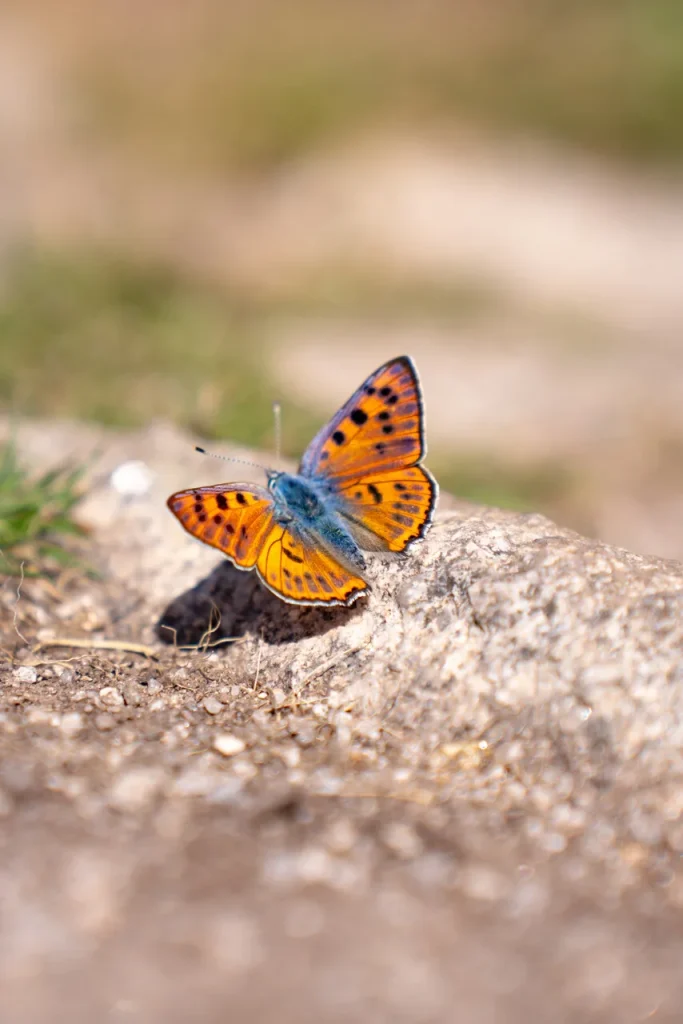
With 11,000 plant species and 2,400 animal species recorded – including 45 per cent of France’s vertebrates – the richness of its flora and fauna can be attributed to its geological, geographical and climatic diversity. Subalpine grasslands and mountains sit side by side with Mediterranean valleys. In the Gorges du Tarn and the Gorges de la Jonte, take the time to watch the vultures soaring overhead. In spring, wild orchids, fields of poppies, broom and many other flowers carpet the fields of the PNC.
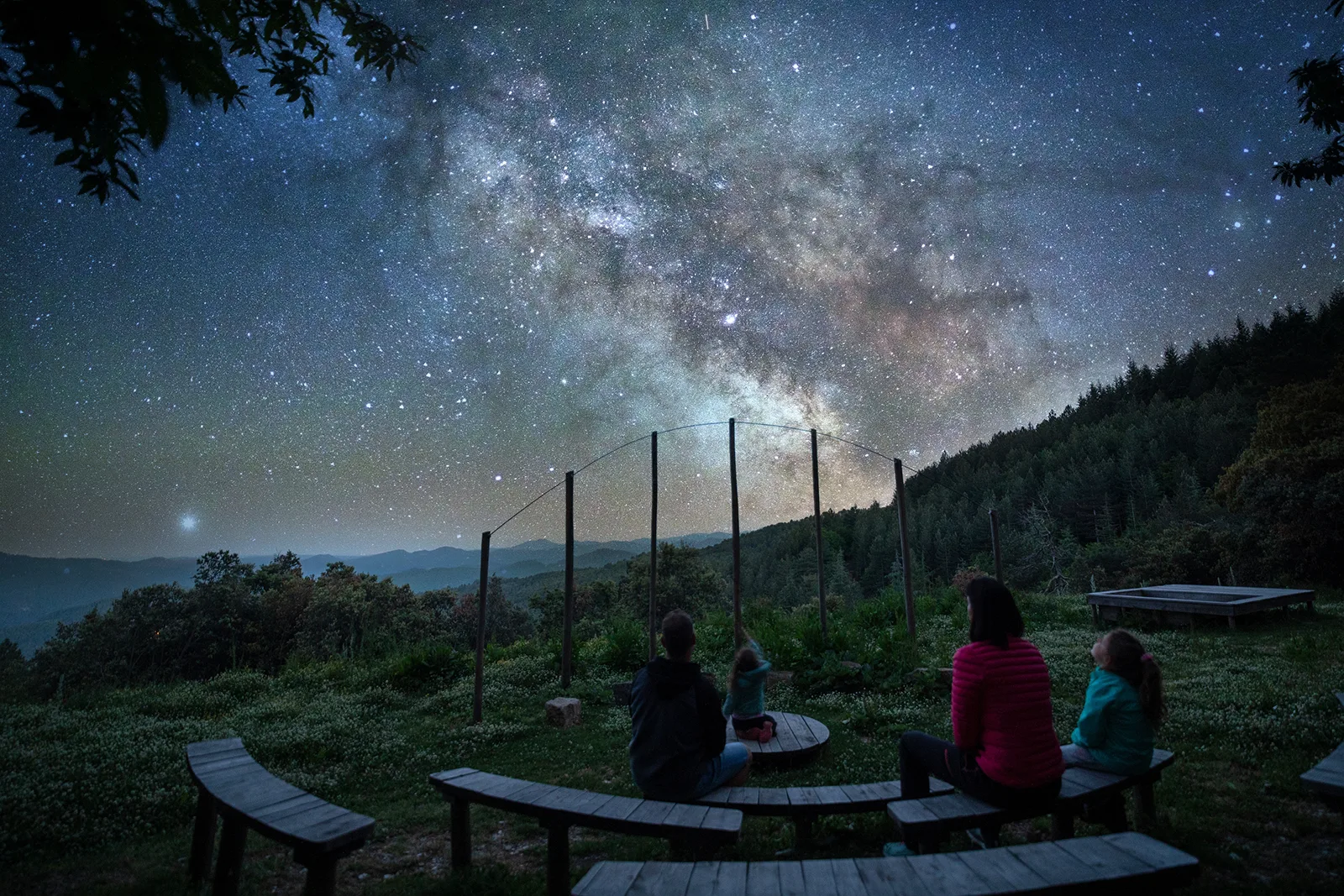
Her starry sky
Did you know that two out of three Europeans cannot see the stars because of light pollution? That’s not the case in the Cévennes, where the sky is clear. The proof? The Cévennes National Park is part of the very exclusive club of ‘International Dark Sky Reserves’. And psst, there’s even an asteroid named ‘Cévennes’! With designated stargazing spots, traditional accommodation offering exceptional views and activities led by enthusiasts, come and marvel at our magnificent starry sky.
Must-do activities
Hiking, discovery and interpretation trails


They form part of the Cévennes National Park’s eco-museums: Mont-Lozère, Causse et Gorges, and Cévennes. The heritage interpretation trails highlight everything relating to the nature, culture, flora and fauna specific to each mountain range. Organised around specific themes, they focus on villages, monuments and natural environments… Generally accessible and easy to follow, they can be completed in under two hours.


Cultural visits and events
Head to Florac to explore the Tourist Information Centre and National Park, where you’ll find:
- Practical information (activities, nature trails, museums, attractions, days out, etc.)
- Specific advice
- Information on the Park’s remit and activities
- A shop
- Exhibitions
Would you like to find out everything (or almost everything) about the Cévennes National Park? You’ll find all the practical information, regulations, events and activities below.
Staying in the Cévennes National Park
How do I get there?
- By car: Paris, Bordeaux, Toulouse, Montpellier, Lyon, Marseille, Nîmes
- By train: Villefort station or La-Bastide-Puylaurent station
- By bus with liO
- By tourist shuttle: minibuses that criss-cross Lozère far and wide in July and August
- By plane: Rodez, Clermont-Ferrand, Nîmes, Montpellier, Marseille, Lyon, Toulouse
Accommodation “Esprit Parc”


MAS DE LA BARQUE HOLIDAY VILLAGE – 2-4 PERSON DUPLEX APARTMENT
4 stars Rental in village
Bookable online


Frequently Asked Questions
Is it allowed to collect chestnuts in the Cévennes National Park?
Of course, but it is nevertheless important to check whether these are private properties.
Where is the Cévennes National Park located, and what are its geographical boundaries?
It is situated in the north of Occitanie, within the departments of Lozère, Gard and Ardèche.