Architectural heritage, religious figures, historical icons, pioneers and contemporary personalities… There are many legendary routes in Lozère. The most illustrious of them all? The Way of St James, which, through its heritage, follows in the footsteps of our region’s great history.
A heritage gem
Recognised by the Council of Europe as the ‘First European Cultural Route’ and listed as a UNESCO World Heritage Site for almost two decades, the Way of St James is a pilgrimage route leading from Le Puy-en-Velay to Santiago de Compostela, passing through the Gévaudan region. An act of faith and a physical trail, signposted and therefore known to walkers as the‘GR 65’, the Way – which dates back to the 11th century – helps to promote the region’s wonders and brings life to the towns and villages it passes through.
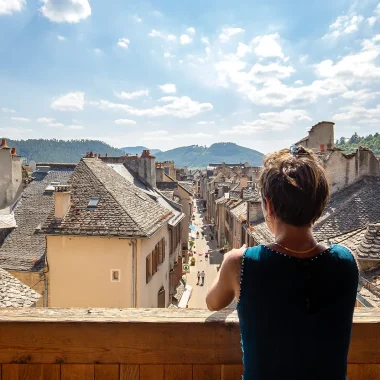
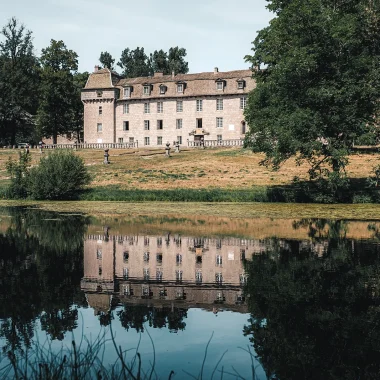
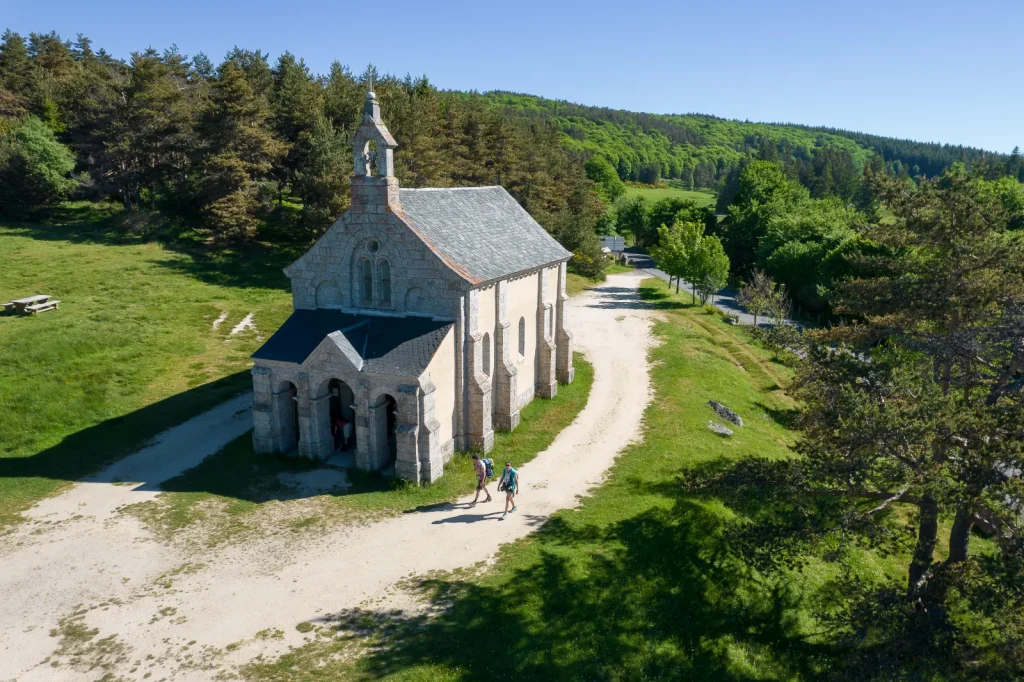
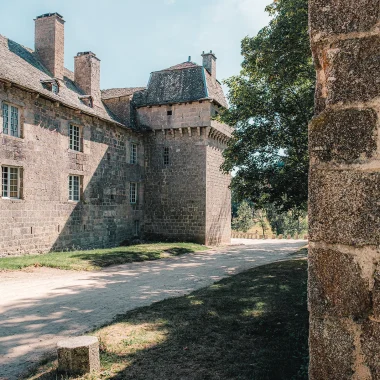
First at Saint-Roch, with its granite chapel, then at Saint-Alban and its castle, where walkers can see the scallop shell and the pilgrim’s staff – emblems of the pilgrims to Santiago – carved into the building’s pediment. The Way of St James then passes through Aumont and its priory, which now houses the Tourist Office, then Nasbinals and its Church of Sainte-Marie, where pilgrims would sometimes part ways, with some continuing along what is now the GR 65, whilst others headed further south along the ‘Chemin de Saint-Guilhem’.
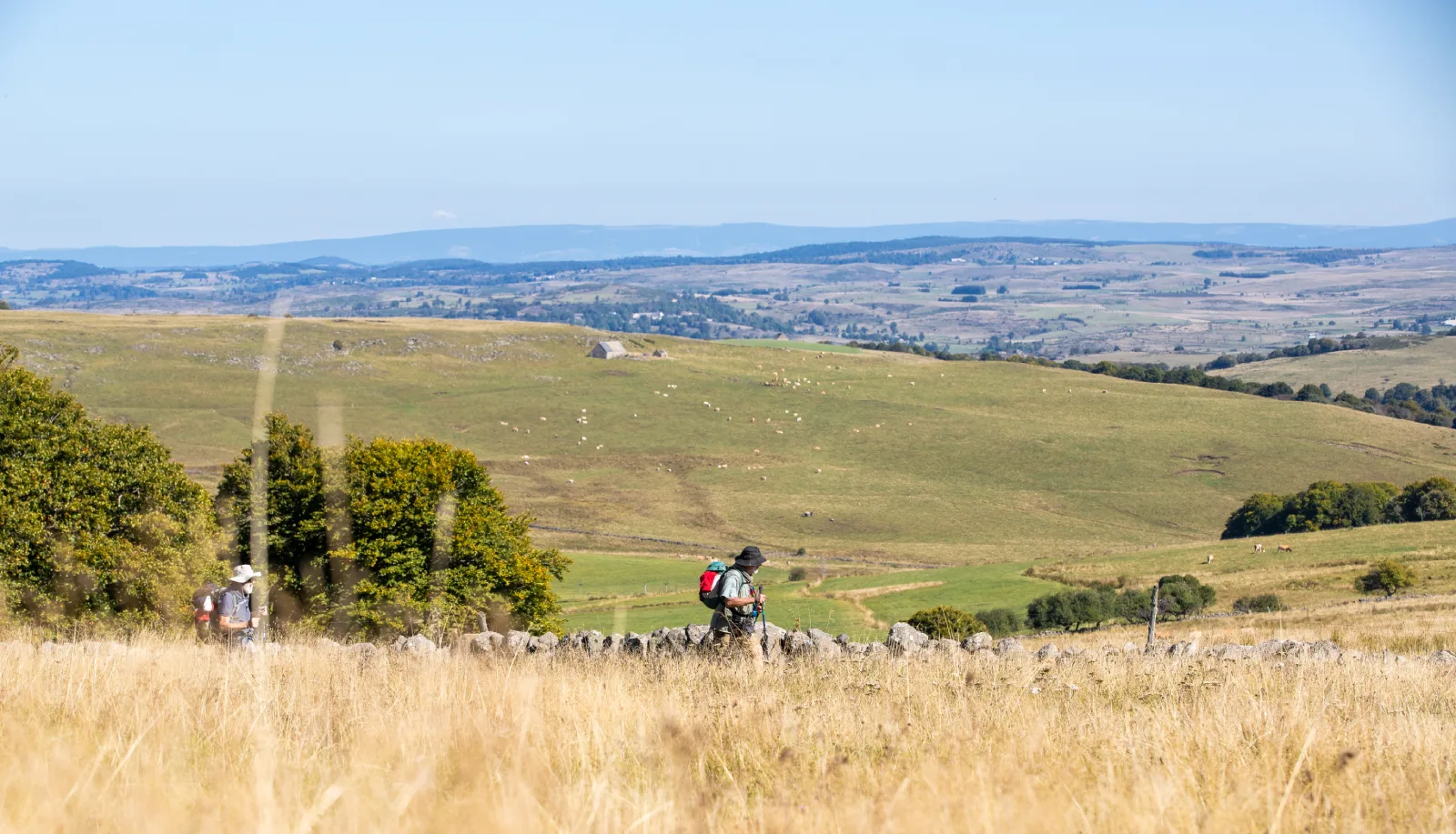
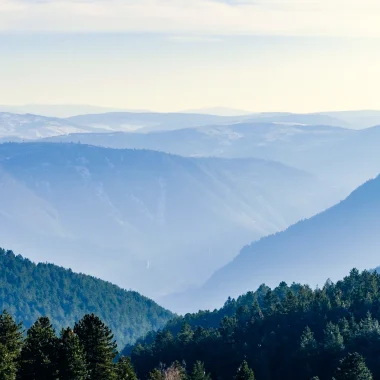
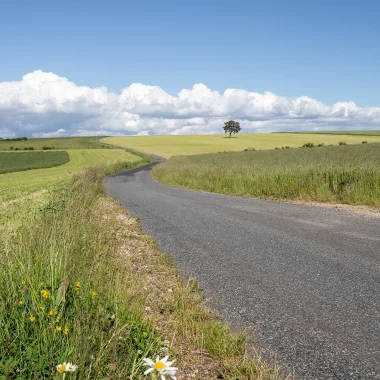
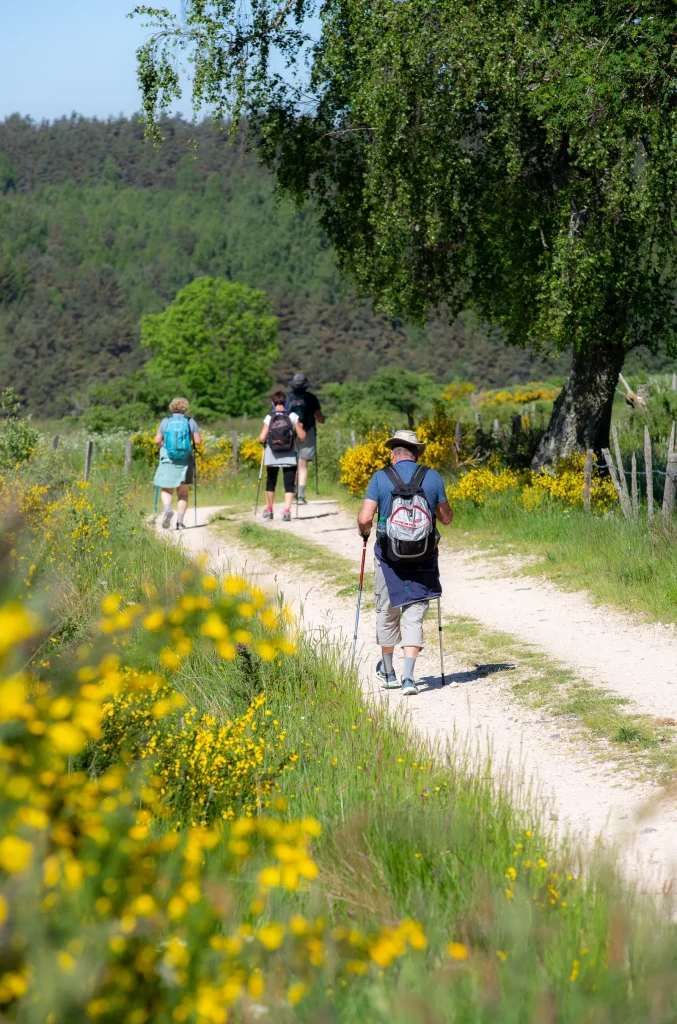
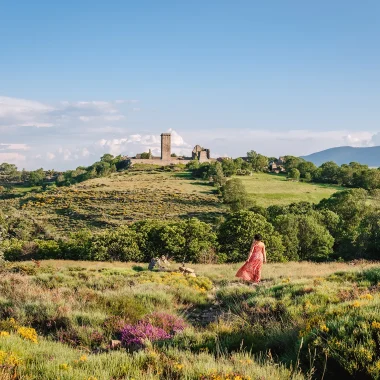
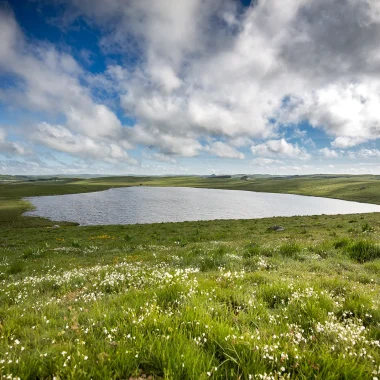
Every year, more than 200,000 hikers and pilgrims set off along this legendary route to recharge their batteries. They walk with their minds and hearts open to the breathtaking landscapes, in search of ‘revelations’ often linked to nature and human encounters. The journey is also rich in small-scale heritage: crosses, chapels, drinking troughs, fountains, mills, towers and stone bridges. Along the GR route, you’ll easily find farms offering accommodation and meals.




Thematics