There are always a thousand excuses to return to Lozère. But for anyone who has ever witnessed the daffodils in bloom on the Aubrac, there’s no need for any further sweet-talking.
Daffodils and narcissi
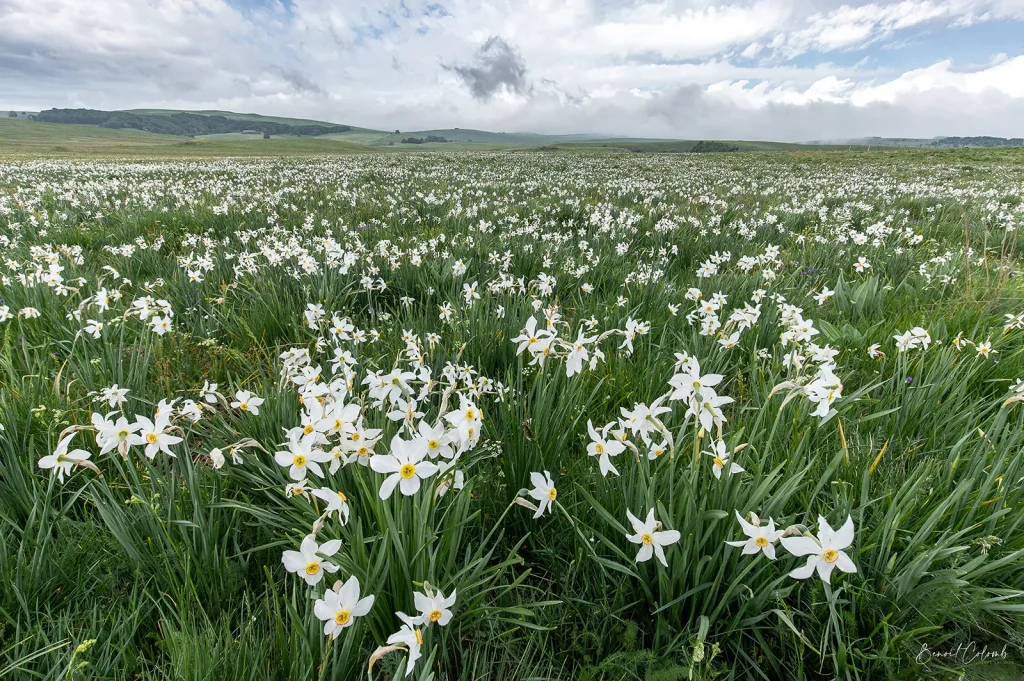
The yellow and white rugs of the Aubrac
As winter draws to a close, when the snow gradually melts away, the landscape is draped in a white mantle tinged with hints of spring. For a few weeks, thousands of daffodils and jonquils bloom across the Aubrac plateau, bringing a sense of lightness and freshness to the area, much to the delight of walkers. But beyond this spectacle – whose fleeting nature adds to its beauty – some 2,000 different species of plants cover these highlands of Lozère throughout the year.
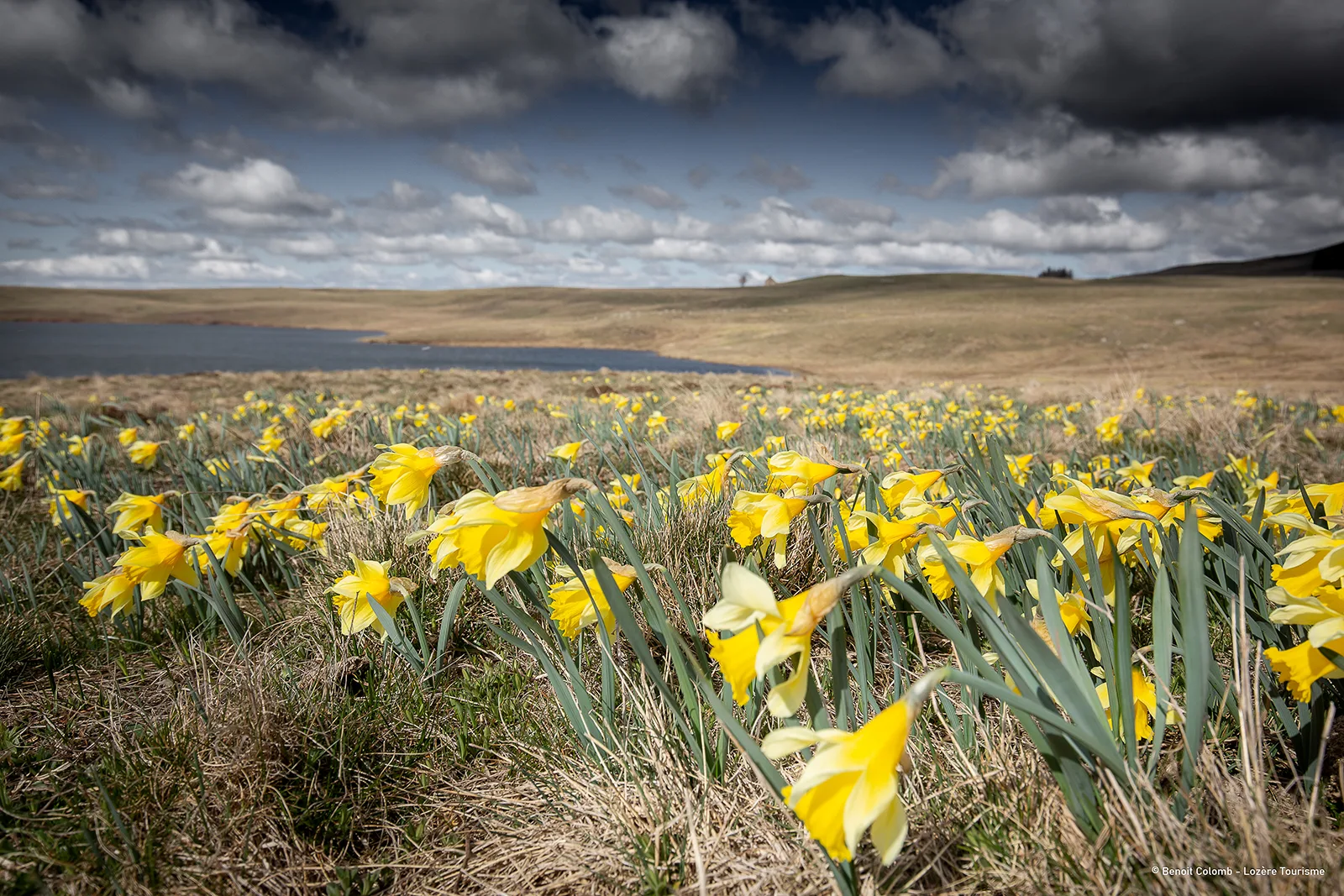
Wildflowers
Which tantalise the taste buds with their aroma
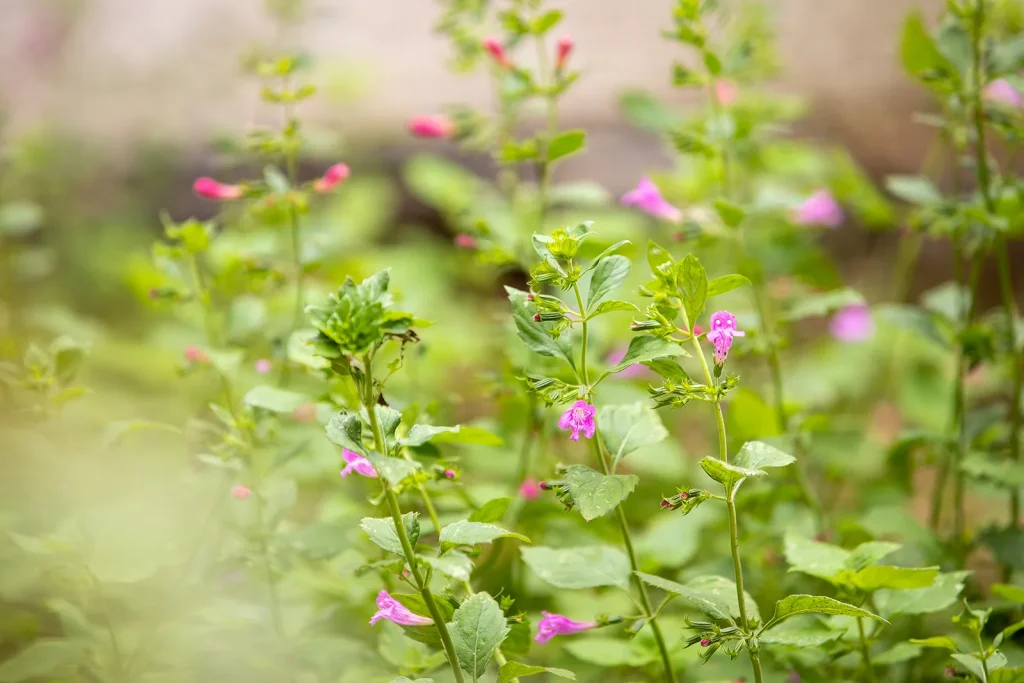
A wild flora as rich as it is exceptional, which gives the region’s honeys their unique characteristics and whose diverse uses add to the visual delights. The yellow gentian (Gentiana lutea), renowned for its appetite-stimulating properties, lends its bitterness to Suze and Picon, whilst mountain arnica contributes its medicinal properties to the pharmacopoeia, and the daffodil to perfumery. The large-flowered calament, the iconic ‘Aubrac tea’ with its delicately minty and spicy scent, has always been gathered by the locals and enjoyed as an infusion. True to its surroundings, it is said to be powerful and deeply rooted. The taste of its land, of course. Unless it’s the taste of ‘come back for more’…

The flora of Lozère
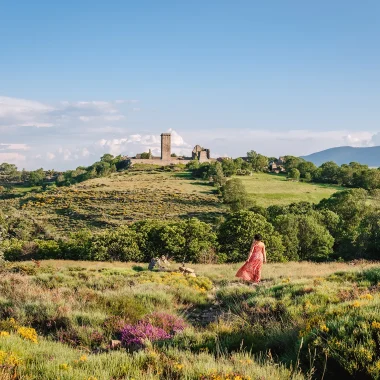
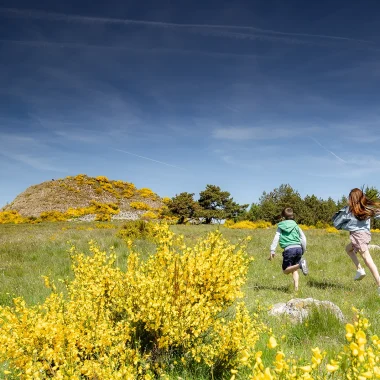
Amidst golden broom, carpets of poppies and wild orchids, Lozère reveals its flora.

Thematics