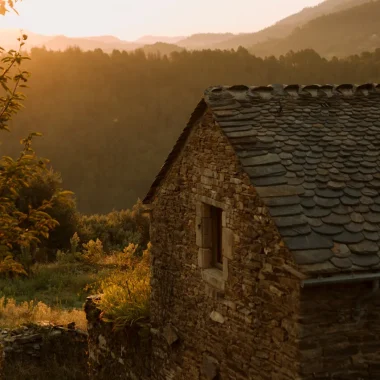
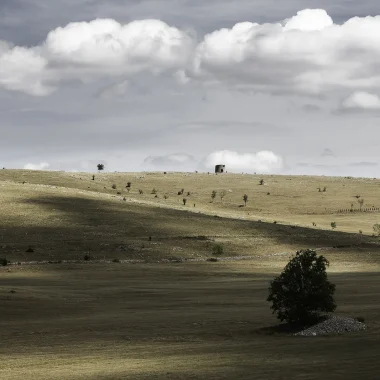
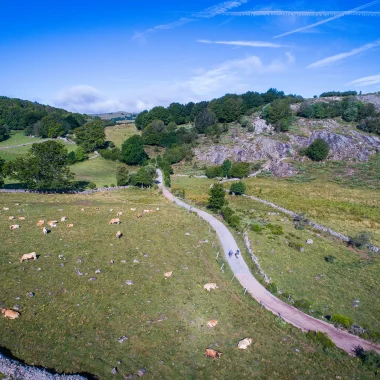
Located mainly in Lozère, the Grand Site of the Gorges du Tarn, the Jonte and the Causses is situated in the south-west of Lozère, on the border with Aveyron. Over thousands of years, its limestone soil has shaped a landscape rich in diversity, particularly well-suited to the unique development of biodiversity, specific human activities and a wide range of tourist activities.
A complementary region
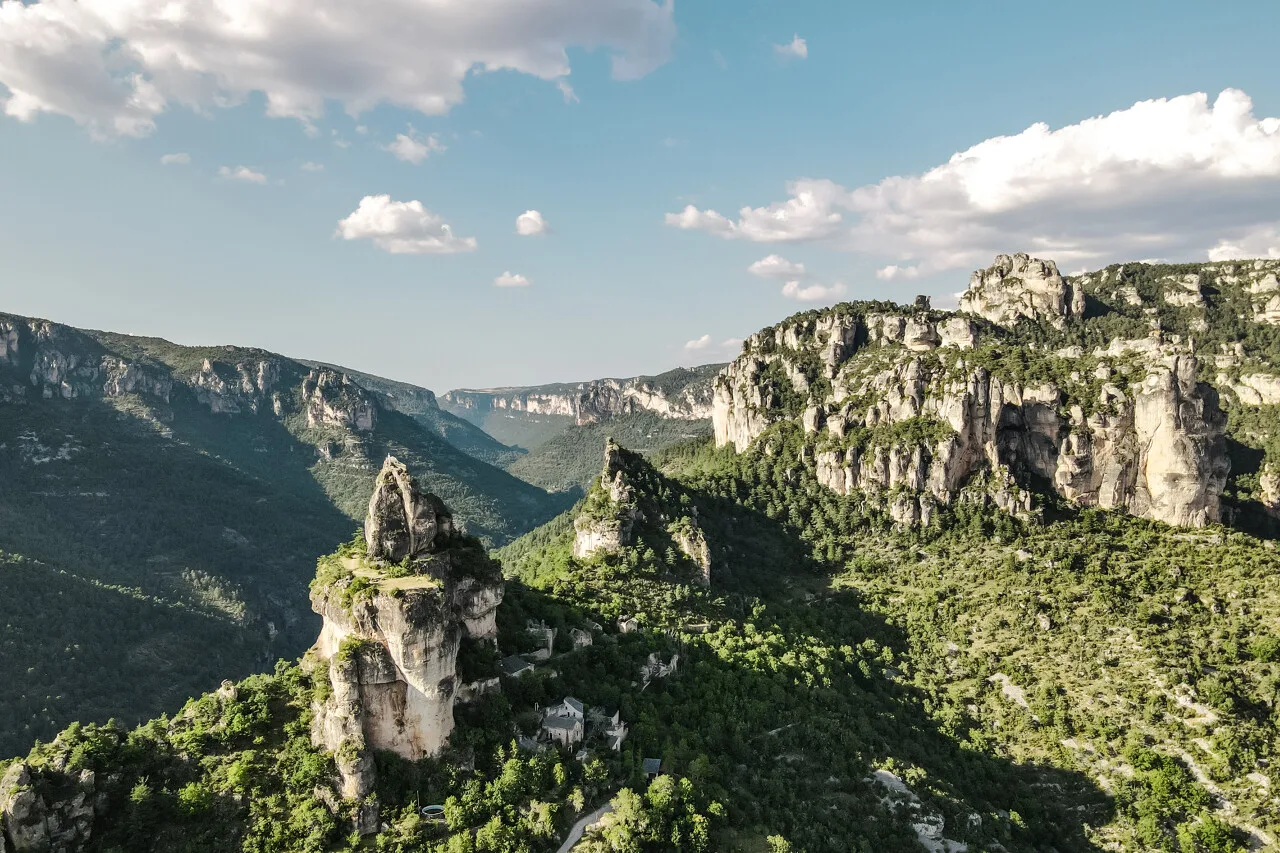
The Tarn and Jonte Gorges and Causses site covers 800 km² and stretches from its heritage heartland to its outlying municipalities. The rivers Tarn and Jonte have carved their way through the Grands Causses for over 3 million years. The result is canyons 400 to 500 metres deep, revealing an extraordinary diversity of landscapes. From the rivers to the limestone plateaus of the Causses, the panoramic views open out onto ledges with spectacular cliffs and other steep slopes. The Causses also boast a built heritage that bears witness to hundreds of years of agricultural and pastoral traditions.
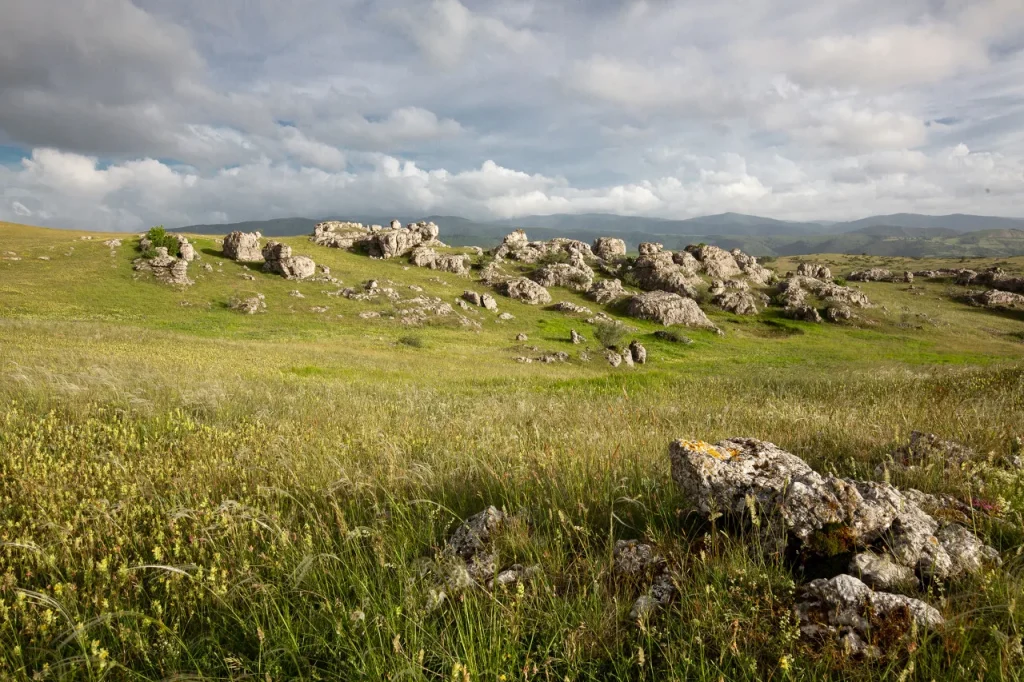
Landscape shaper
Limestone
This rock is so characteristic of the Causses! It is this rock, together with the effects of erosion, that has created the Causses’ iconic sites, such as the Chaos de Nîmes-le-Vieux – a vast labyrinth of dolomite boulders forming fantastical shapes. Over the millennia, the erosion of limestone has also created cavities, better known today as the Aven Armand and the Dargilan Cave. Both of these spaces are filled with treasures shaped by time. Finally, the Gorges have also been carved out of the limestone on either side of the Grands Causses; this is how the cliffs—characteristic of the plateaus’ edges and adorned with vases—came into being.
The dizzying and impressive gorges
Stretching for 80 km, the Gorges du Tarn and the Gorges de la Jonte are two immense canyons that carve through the landscape of the Causses. Whether viewed from the edges of the Causses or from the banks of the Tarn or the Jonte, come and admire these natural wonders and their unique features! The ‘détroits’ – that section of the Gorges du Tarn where the cliffs on either side create a canyon over 400 metres deep! And don’t miss the cirques, which are numerous along the Gorges: these are bowl-shaped depressions with steep, arc-shaped walls.
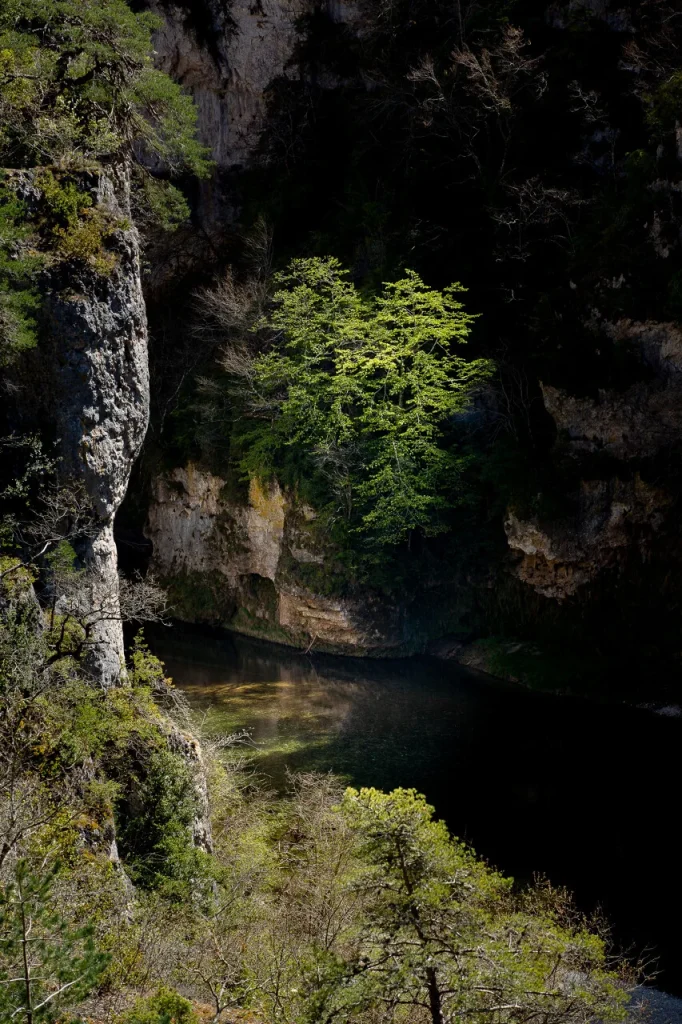
Exploring our heritage
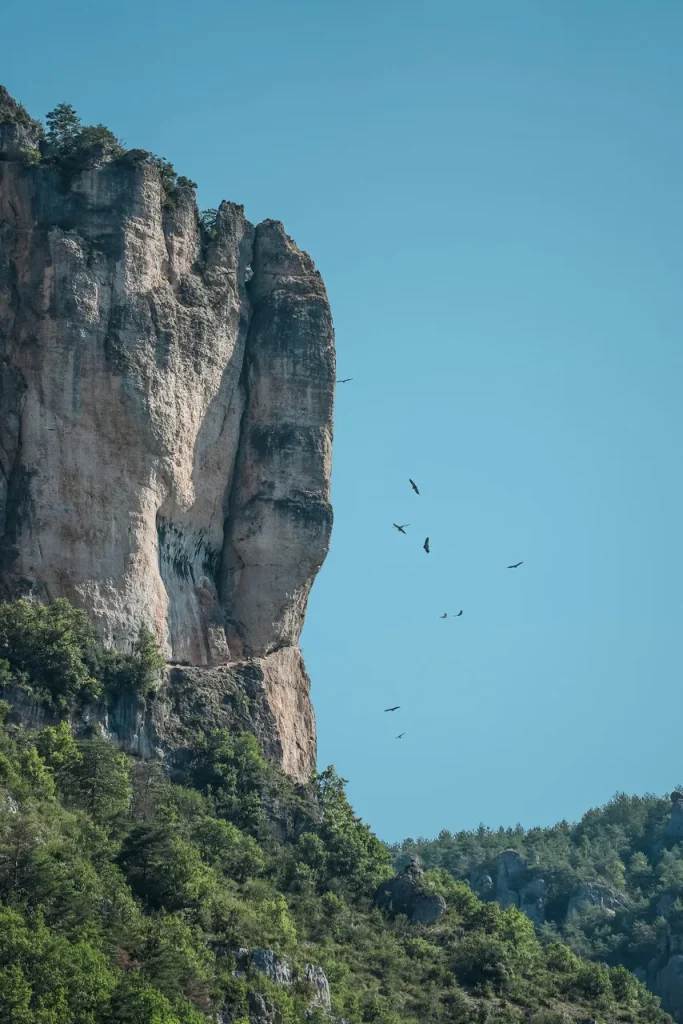
The site’s biodiversity
Exceptional wealth
The Gorges du Tarn, de la Jonte et Causses Nature Reserve is home to an incredibly diverse range of flora and fauna. Vultures, in particular, reign supreme over these lands. These giants had disappeared from the skies over Lozère in the 1940s and were reintroduced into the Jonte Gorges in the 1980s. Since then, they have been nesting and breeding on the cliffs that form the boundary between the Causses and the gorges. This unique environment allows them to evade predators and also to glide on the warm air currents that blow through the gorges.

Vulture species in Lozère
- Griffon Vulture: with its fawn-coloured plumage and a wingspan of around 2.60 m, it is the most common vulture in Lozère.
- Black Vulture: this is the largest of the vultures. Its plumage is darker than that of the griffon vulture.
- Egyptian Vulture: its yellow face and almost entirely white plumage make it a highly recognisable species.
- Bearded Vulture: ‘bone-breaker’ is both its name and its role. It is currently being reintroduced in Lozère.
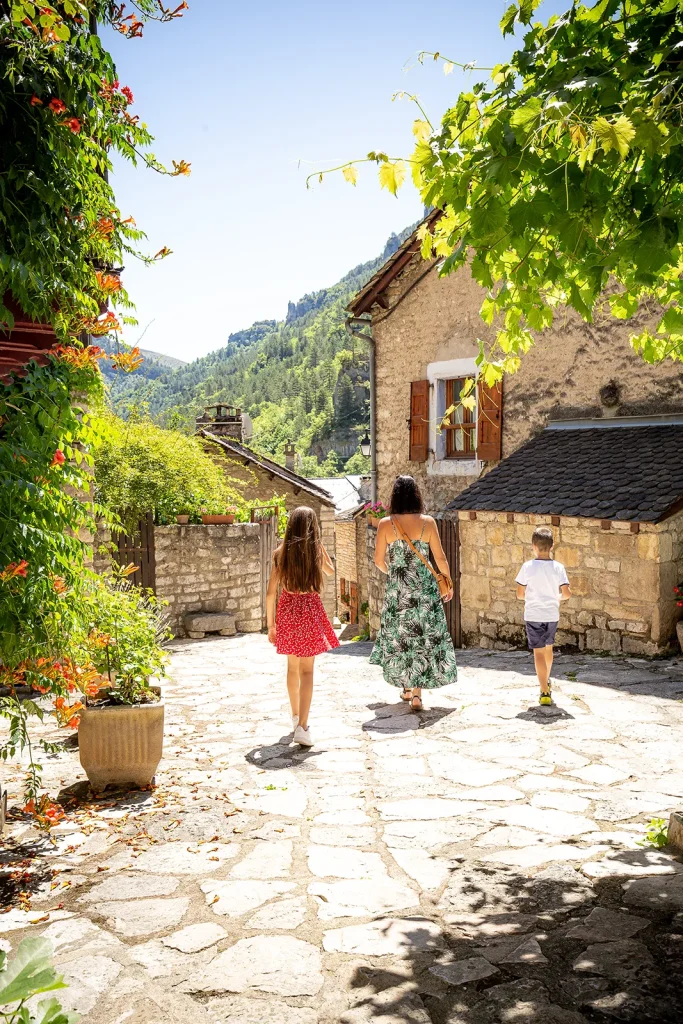
Villages and monuments
There are many picturesque villages in the Gorges and on the Causses. Sainte-Enimie, designated one of the ‘Most Beautiful Villages in France’, boasts a rich and varied heritage: a hermitage, an abbey, cobbled streets… Its neighbour, La Malène, designated a ‘Petite Cité de Caractère’, is a charming little market town with its own manor house. To reach them, you must either descend from the Causses that surround them – the Causse Méjean or the Causse de Sauveterre – or take the Route des Gorges between Les Vignes and Saint-Enimie. Finally, the built heritage of the Causses is also rich, thanks in particular to agropastoralism. From dry-stone walls to ‘cazelles’ – small stone huts along the roads – and ‘jasses’ – a kind of sheepfold situated near farms or standing alone in the middle of fields – the architecture of the Causses is uniquely adapted to the local climate!
An adventure tourism destination
Internationally renowned locations
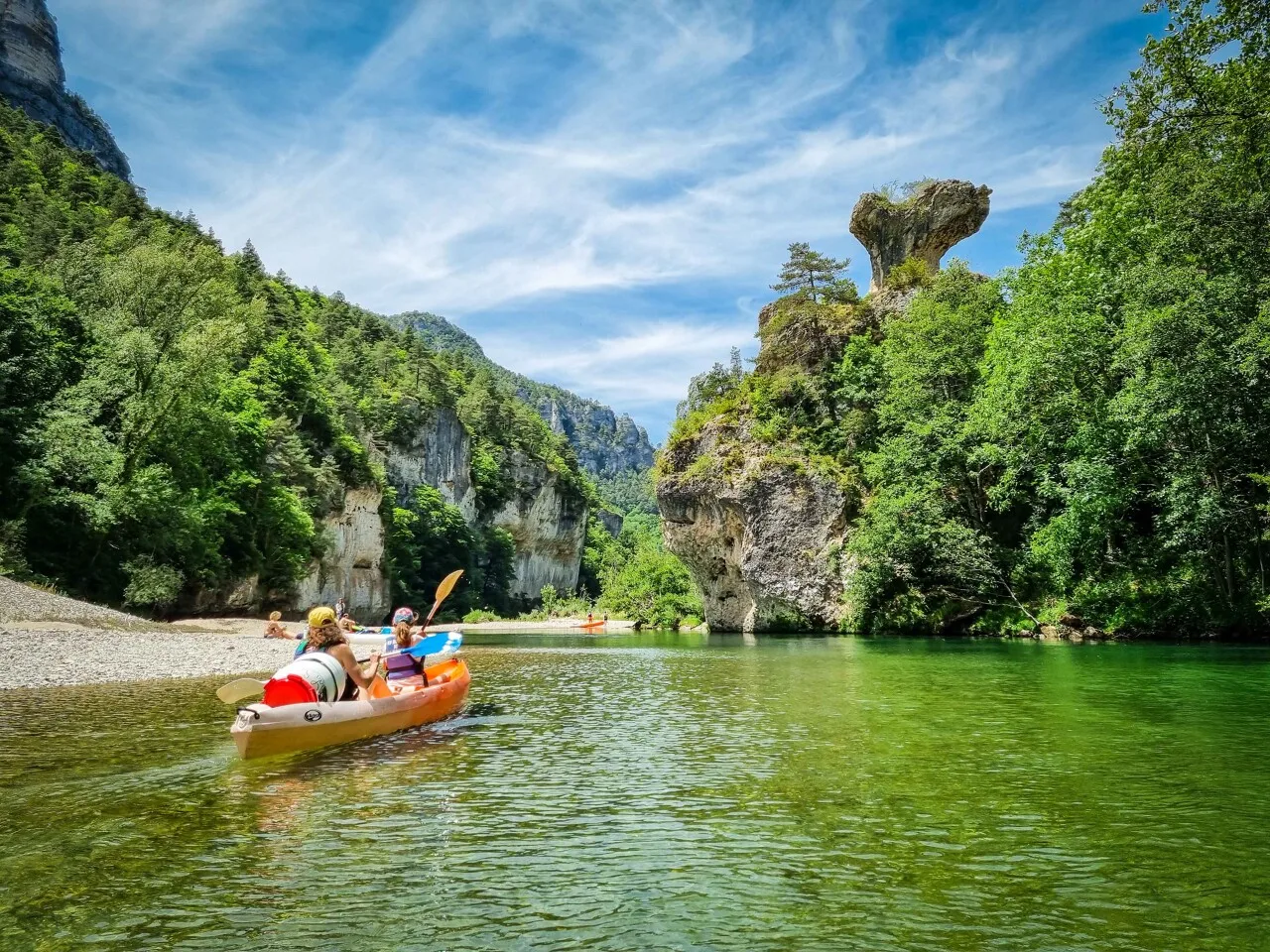
The Gorges du Tarn, de la Jonte et Causses Regional Nature Park has been a popular destination for adventure tourism for centuries. Lovers of outdoor activities will be spoilt for choice: hiking, mountain biking, bungee jumping, canoeing, stand-up paddleboarding… There’s something for everyone, and especially for climbers! Indeed, there are climbing routes along the Gorges du Tarn and the Gorges de la Jonte, including some internationally renowned areas. Outdoor sports enthusiasts, this is the place for you!
How do I get there?
- By car from Mende, Florac, La Canourgue, Villefort, Langogne, Aumont-Aubrac and Saint-Chély-d’Apcher
- By car from Paris, Bordeaux, Toulouse, Montpellier, Lyon, Marseille and Nîmes
- By bus with liO
- By tourist shuttle: minibuses that criss-cross Lozère far and wide in July and August
- By plane, via the nearest airports: Rodez, Clermont-Ferrand, Nîmes, Montpellier, Marseille, Lyon, Toulouse
Frequently Asked Questions
What is the ‘Grand Site de France’ label?
The “Grand Site de France” initiative addresses the need to welcome visitors, maintain the sites and raise visitors’ awareness of the need to preserve natural areas. The “Grand Site” label, awarded by the State, ensures that visitors can fully enjoy the experience of the site whilst preserving the original spirit intended by the local authorities.
Where can you see a forest of stalagmites?
The Aven-Armand has 400 stalagmites! There are so many that people even refer to it as a ‘forest of stalagmites’.
Is the Grand Site inhabited?
The Gorges du Tarn, Jonte and Causses Heritage Site has a population density of 13 inhabitants per km². This figure drops to 1.4 inhabitants per km² on the Causse Méjean, a lower density than in Mongolia, the country with the lowest population density in the world!